A useful pantry system makes ingredients visible and easy to return. Start by checking dates and grouping what you already own before buying containers or organizers.
Pantry organization may initially seem daunting. With careful preparation and an objective mindset, though, the task will become simpler over time and help restore order to this key kitchen space while reinvigorating how you manage household affairs.
Introduction: The Heart of Home Organization
Your pantry serves more than simply as storage; it serves as the hub of your culinary ecosystem at home. From irregular-shaped pasta to spices you may never use, home pantries contain items as diverse as their meals that they will eventually create - without an effective organization system in place, even dedicated cooks risk getting overwhelmed by all the clutter!
The organization is at the core of every successful home, from shopping for ingredients to prepared or unplanned culinary endeavors. We are not just tidying; we are creating an effective resource management system that can reap significant returns across multiple fronts.
We will explore all aspects of pantry organization in this blog post, exploring why and how it impacts the kitchen routine. Plus, we provide step-by-step guidance that can help you create an organized pantry that will serve you for years.
Benefits of Efficient Pantry Organization
The rewards of pantry organization extend far beyond the immediate gratification of visual tidiness. Let's explore a triumvirate of reasons why every home needs a thoughtfully arranged pantry.
1. Time and Stress Saving
An organized pantry can save precious moments every day in this fast-paced world, making finding what you need much simpler than before. No longer will searching be tedious - find it all more easily when everything has its place!
Organization can bring mental peace. Knowing where everything belongs makes meal prep much less daunting!
2. Cost-Effectiveness
How often have you purchased multiples of something that already existed but was hard to locate? By having all your supplies neatly organized in your pantry, unnecessary duplicate purchases become less likely. By quickly taking stock of what supplies are currently on hand before heading out for groceries, ensuring you only buy what's necessary and nothing extra!
More savings also come from better preservation. Properly kept dry goods don't spoil as quickly. Utilizing airtight storage prevents the invasion of dreaded pantry pests. Forget stale chips or weevils; an organized pantry preserves quality and stretches the value of your food budget.
3. Healthier Eating Habits
A thoughtful pantry setup can also lead to more intentional eating. When you can easily see and access your stock, you're more likely to use what you have, promoting a wider and healthier rotation of meal options. Additionally, organizing your pantry encourages the stocking of staples that form a nutritious base for your meals, rather than relying on less health-conscious choices out of convenience.
Step-by-Step Guide to Organizing Your Pantry
Efficient pantry organization is an endeavor that requires both a one-time intensive push and a sustained commitment to maintain the new order. Here's how to do it just right.
1. Assess and Declutter
Your first step in creating an efficient pantry is to inventory what you have. This begins with a candid assessment of what's in your pantry and what you actually use.
Look for Expiration Dates:
Check the expiration dates on all products you own and throw out anything that has passed its prime. Not only is keeping expired goods unsanitary and cluttering up space, but doing so also increases the chance that someone might mistakenly consume spoilt food!
Consider Your Cooking Style:
Are there special ingredients you bought for that one recipe and haven't touched since? It might be time to let go if it's unlikely to get used. Be especially honest about those spices from three Thanksgivings ago that you haven't looked at in over a year.
Donate and Discard:
If you find food that's still good but you know you won't use it, consider donating it to a local food bank or friend. For anything else, recycle the packaging and throw away the actual food according to your local regulations.
2. Categorize and Group Similar Items
Once your pantry contains only what's essential, the next step should be categorization. This could involve sorting items by type - cans, boxes, and bottles, for instance) - use (baking supplies, etc), or both; whatever makes the most sense and is easy for you. Ultimately, the key here is finding an organizational system that makes sense and provides easy upkeep.
Grouping for Ease of Use:
Sort items logically for optimal cooking processes. For instance, gather breakfast foods like cereal, granola bars, and oatmeal together. Keep oil, salt, and other cooking essentials near the stove as part of an essentials section.
Making Space:
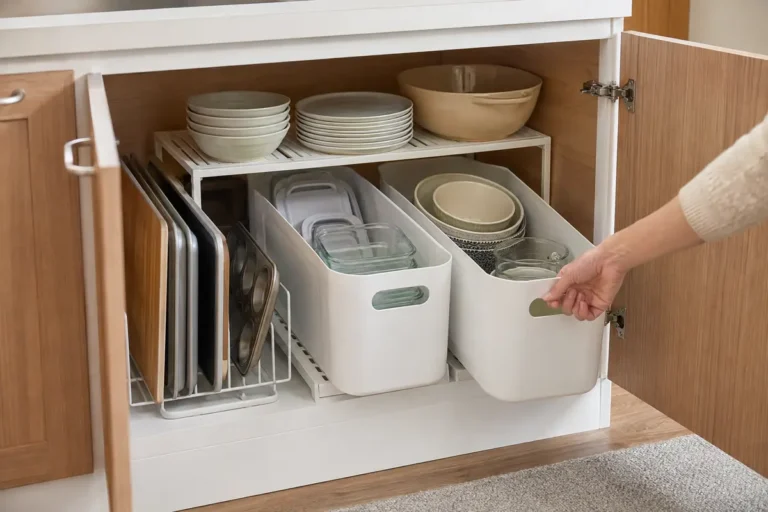
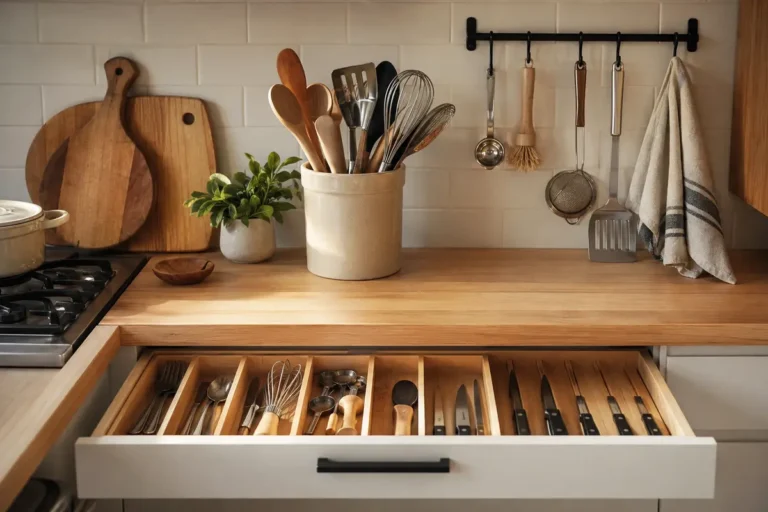
Don't be afraid to tweak the layout to make space. For instance, stack items like cans and jars to make use of vertical space, or consider hooks or racks to hang smaller items or odd-shaped tools.
3. Utilize Storage Containers and Labels
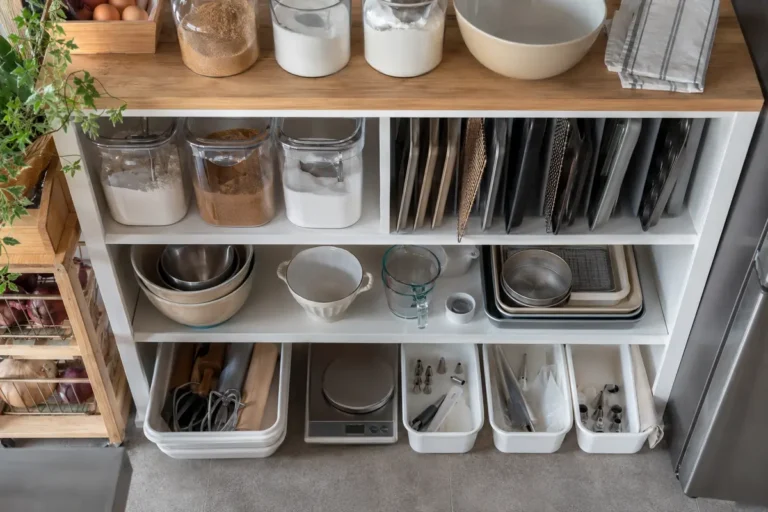
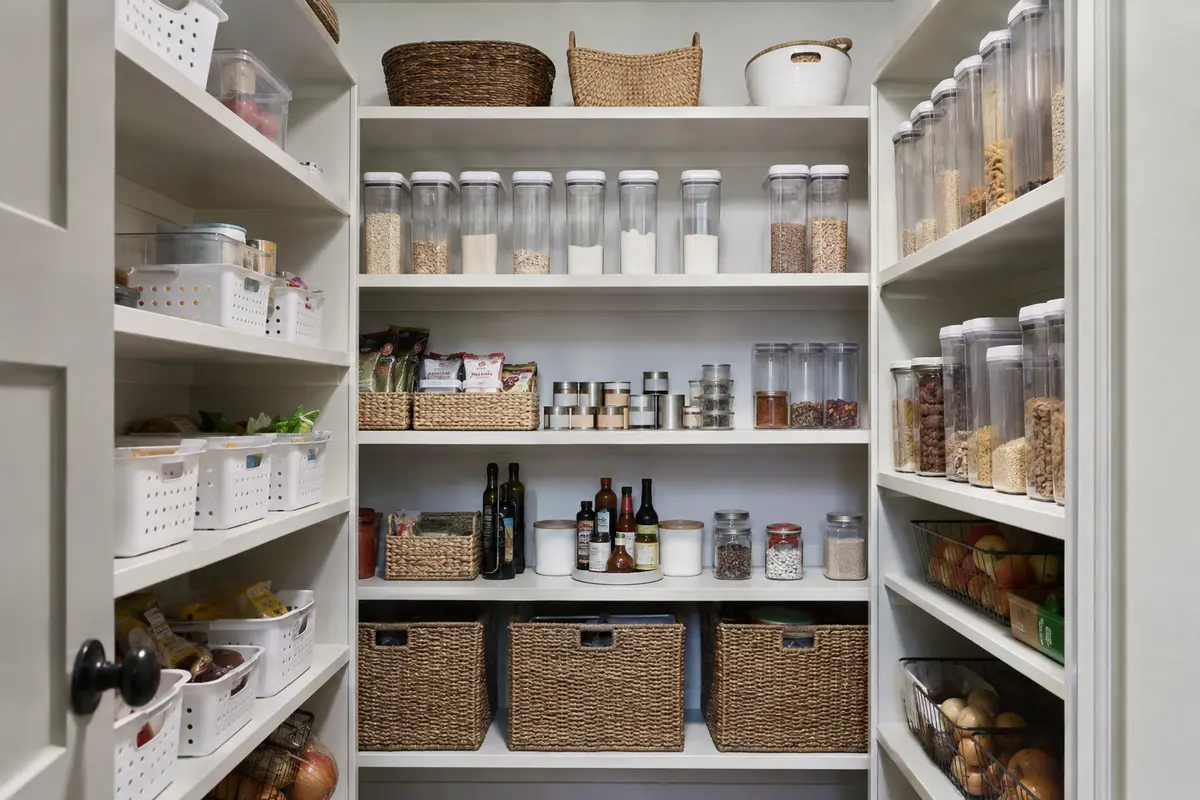
Storage containers are game-changers for keeping your pantry goods fresh and organized. Transparent containers are particularly useful as they allow you to see what's inside easily. Plus, labels are indispensable for maintaining your system.
The Container Game:
Invest in quality storage containers that are durable and airtight. This includes jars, canisters, stackable bins, and more. Be sure they are free of any pre-existing odors (after you've cleaned and dried them).
Label Everything:
Labels are essential in maintaining organization. A simple label maker or masking tape with a marker works great; labeling can even come in handy if multiple family members contribute to helping with groceries. Labels become especially essential if more than one family member helps out with shopping duties.
4. Optimize Shelf and Space Utilization
An effective pantry must maximize every square inch, from its top shelves down to the back corners, so as to utilize all available space as efficiently as possible and ensure easy access to everything inside it.
Utilize Wasted Space:
Use bin clips or tension rods to hang items on the inside of your pantry doors. Store spices or foil-wrapped herbs in a drawer or basket attached to the ceiling if space allows for it.
Think Like an Organizer:
Consider using risers for canned goods to see everything at a glance. Turntables work great for oils and vinegars that you use frequently. Place taller items towards the back and shorter ones in the front, and arrange everything so you can quickly inventory your stock.
5. Maintain and Update Regularly
Maintenance is key to benefiting fully from your organized pantry. This doesn't mean you have to redo the system every month, but you should regularly assess and perhaps make small adjustments.
Monthly Check-Ins:
Perform an inventory every month or two in your pantry to see what needs replenishing or if any items can be eliminated from the shopping list. This allows for quick inspections that allow for any possible updates in ingredients or quantity available - making the right purchases becomes much simpler when everything's neatly in its proper spot!
Seasonal Adjustments:
Some things in pantries are used seasonally, so adjust your organization system accordingly. For instance, if you're heading into the holidays, make a section for holiday baking goods. Afterward, put them in a less-used spot.
Tips for Maintaining an Organized Pantry
An organized pantry can provide the space necessary for kitchen activities to occur more smoothly and seamlessly. Here's how you can keep it that way!
1. Meal Planning and Inventory Control Management
An effective way of keeping your pantry organized is knowing exactly what you have and using it all up. Meal planning will also be key since only buying items you know you will use can ensure an orderly pantry.
Plan Ahead:
Plan meals not only based on your taste but on your pantry items as well. If you have pasta that needs use, plan a pasta night. This ensures you use up what you have and only purchase what you need for the week's meals.
Inventory Spreadsheet:
Keep a physical or online inventory of all of the pantry items. Make regular updates as items run out or new purchases arrive; that way, you'll always know exactly what's available in stock!
2. Regular Cleaning and Maintenance
Cleanliness in a pantry is just as essential to its orderly organization, and regular cleaning can protect it against dust build-up, spills, and other unpleasantries that threaten all your hard work in organizing it.
Schedule Cleaning Days:
Make it a habit to incorporate pantry cleaning into your regular house cleaning. Consider doing it before a big grocery shop or right after you've done a big cooking session.
Deep Cleans:
Twice a year, take everything out and give your pantry a deep clean. This includes vacuuming, washing down shelves, and possibly even repainting if you have a larger pantry closet.
Conclusion
An organized pantry does more than simply clear the clutter; it gives you the gift of productivity, peace, and perspective. As you integrate these steps into your domestic routine, you'll find that not only does your pantry run more efficiently, but your entire home reaps the benefits. Take the time to transform this nook of your kitchen, and the harmony you create will echo through every meal and household operation. Take the plunge and reap the rewards of an organized pantry that reflects well upon how efficiently your household runs! It could change everything.
Frequently asked questions
What is the best way to group pantry items?
Group by how you cook: breakfast, baking, grains, canned food, snacks, sauces, and backstock are practical starting zones.
Do pantry containers save space?
Square stackable containers can improve visibility and use shelf depth well, but decanting everything is unnecessary. Use them where packaging is awkward or food needs an airtight seal.
How often should a pantry be reorganized?
Do a quick reset during grocery put-away and a deeper date and inventory check every few months.
Kitchen conditions and products vary. Follow manufacturer guidance and consult a qualified professional when safety or specialist work is involved.