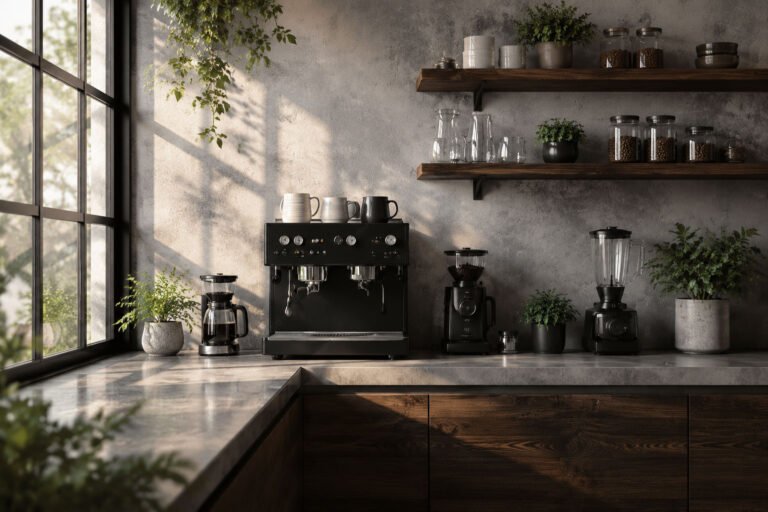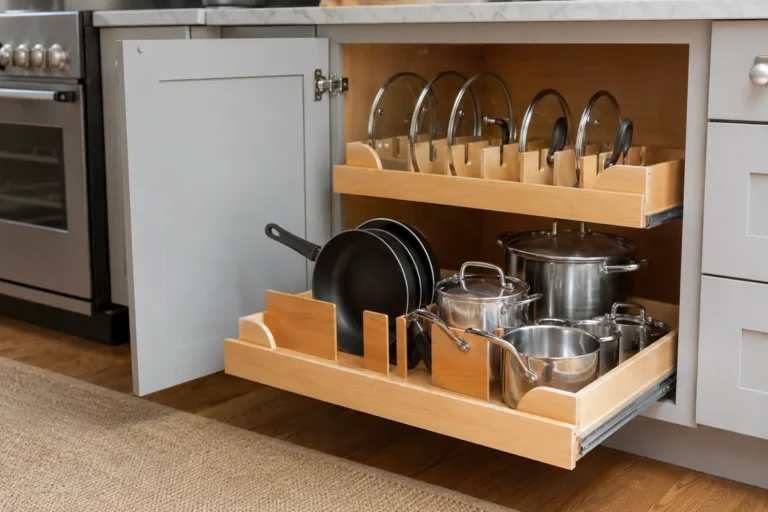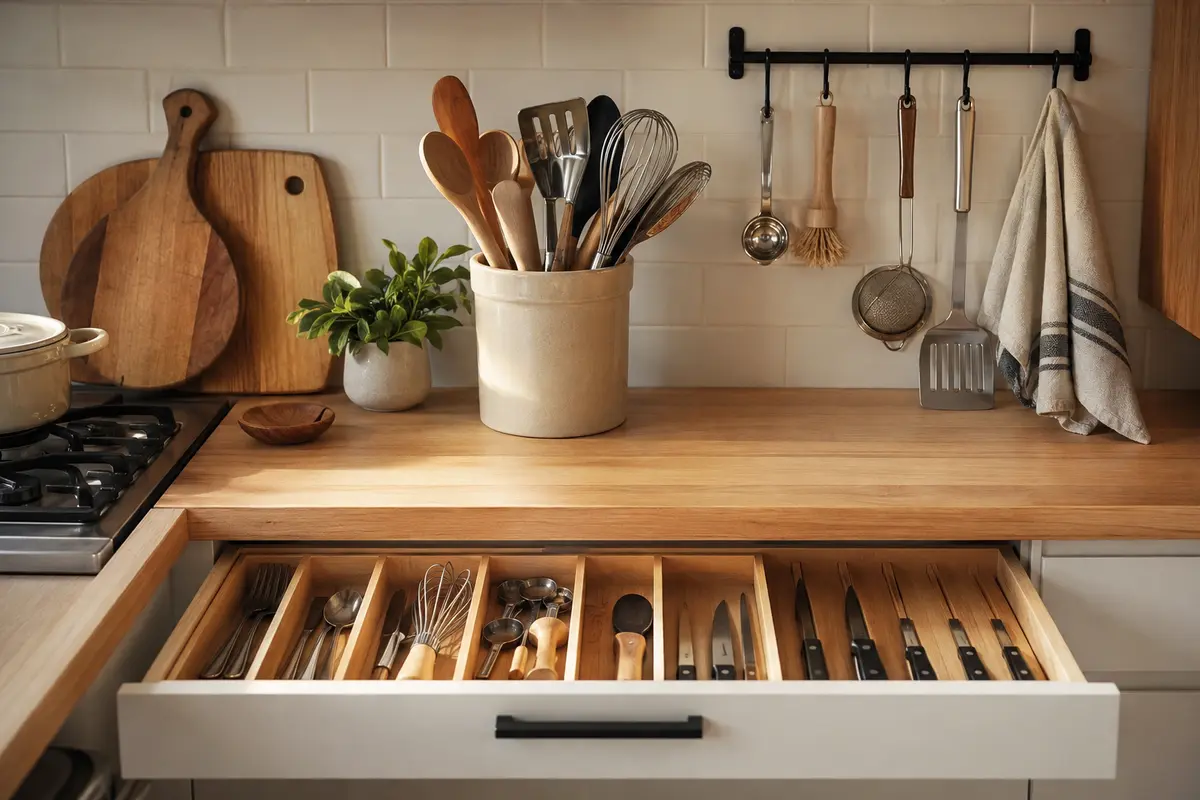
Useful utensil storage reduces reaching and rummaging without crowding the counter. Keep only heat-safe daily tools near the stove and move specialized items to labeled drawers or bins.
Home chefs or culinary enthusiasts who aspire to perfection understand that organizing space and arrangement effectively is crucial. This comprehensive guide will walk you through each step necessary for successfully organizing kitchen utensils so you can spend less time searching drawers, and more time perfecting recipes from your chosen cuisines.
Examining Your Utensil Collection
Before diving in with any organizational project, it's essential to first assess what you already own. Assessing your utensil collection involves more than counting items; rather, it involves understanding each tool you own and its usage within your daily cooking routine.
Take Inventory of Kitchen Utensils Now
Begin by emptying all drawers and cabinets of items you no longer use; group similar ones together, such as spatulas, whisks, and cutting boards. As you go through each collection item, in turn, consider when the last time each was used was by asking yourself when the last time each was actually utilized was by them.
Select Essential and Rarely Utilized Items for Optimal Utensil Management in Your Office Space
The Marie Kondo method suggests keeping items that "spark joy." For kitchen organization, you can modify this to consider whether an item serves a crucial function that can't be replaced by another tool. Rarely used items can be stored out of the way, while the essentials should be within arm's reach.
Case Study Highlight: Insights from a Home Chef
"A home chef, Sally, found that many of her kitchen utensils were single-purpose or duplicate tools that did not serve her well. By decluttering her drawer, she found she could consolidate and save space significantly."
Sort and Categorize kitchen utensils
Once your inventory is organized, the next step should be sorting and categorizing kitchen utensils into groups according to their use. This step should bring clarity and order into your kitchen tools by grouping them by type.
Grouping Utensils by Functionality
Think carefully about how and what kitchen utensils you typically reach for when cooking at high heat; low-heat simmering may require different tools than when working with lower temps. Group together items serving similar functions into sets for efficient storage and access.
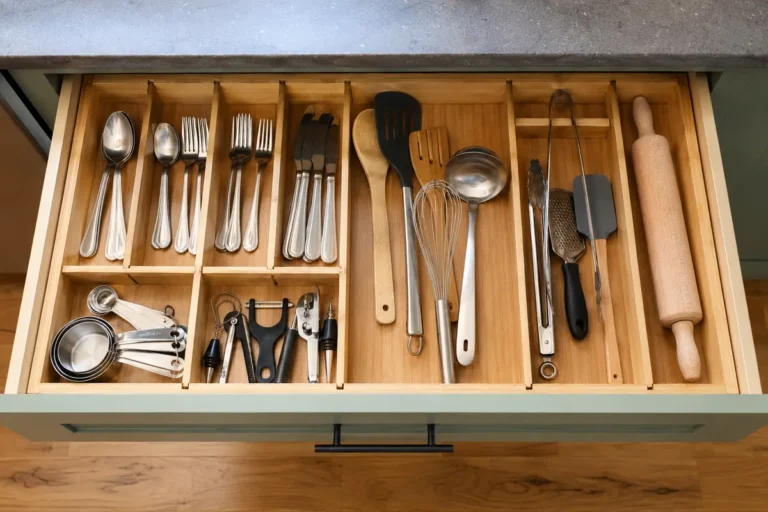
Utilizing Drawer Dividers or Organizers
Once your utensils have been organized, invest in drawer dividers or organizers that fit the size and dimensions of each of the drawers where your items reside to help maintain order in this step. These will keep them at hand while helping maintain what was started with sorting!
Personal Testimony of A Culinary Enthusiast's Experience
"After years of struggling to untangle a disorganized utensil drawer, I finally took some time on a weekend to organize and install dividers. The results have been immediate: now cooking tasks that require specific tools don't stress me out!"
Choosing Storage Solutions
With everything organized and separated into its proper categories, it's now time to decide how best to store utensils. There is no single solution here that would fit every kitchen layout or available space; what works for one could easily fail another.
Exploring Different Storage Options
As kitchens come in all shapes and sizes, consider your available wall space, cabinet layout, and how much countertop real estate you are willing to dedicate to utensil management. There are options such as drawer inserts for keeping things out of sight as well as hooks or magnetic strips that keep frequently needed items close at hand.
Considering Space Constraints and Personal Preferences
Your storage solution should reflect your cooking style and the limitations of your kitchen. If you cook a lot and have ample wall space, a pegboard or wall-mounted system might be right for you. For those with limited room, stackable containers for vertical storage could make better use of space.
Personal Testimonial: A Baker's Solution for Space
"I'm an avid baker, and my bun pans and cake decorating tools were taking up too much drawer space. I installed a tiny shelf above my counter to display my prettiest cake decorating tools, making them always accessible and decorative."
Maximizing Space and Accessibility
Organization is key when it comes to storage solutions for kitchen utensils. Making items accessible and making sure that items can be easily found when needed means designing storage in such a way as to maximize both space and accessibility.
Utilizing Vertical Space with Hooks and Racks
Hooks mounted on the inside of cabinet doors or on the wall can hold a surprising number of utensils while keeping your countertops clear. Racks for pots and pans can similarly free up drawer space for other items.
Arranging Utensils Based on Frequency of Use
Items you use daily should be the most easily accessible, while tools for more specialized purposes can be stored slightly out of reach. Be sure to consider ergonomic design and think about the motion of cooking when placing your tools.
Personal Testimonial: An Organizer's Success with Hooks
"A set of S-hooks turned my kitchen completely around. Now my most-used kitchen utensils hang on the wall above my stove, making them a literal extension of my arm during cooking."
Maintenance and Upkeep
An organized kitchen requires regular attention. Scheduled upkeep ensures everything remains in good order, keeping cooking enjoyable in your space.
Cleaning and Sanitizing Utensils
As you organize, take the time to clean all your utensils thoroughly. Regular cleaning after each use will prevent the need for deep cleaning sessions and keep your tools in good shape.
Regular Decluttering and Reorganization
As in any room in your home, kitchen clutter accumulates over time. Make it part of your routine to declutter at least twice annually by donating or discarding unneeded utensils - this gives you an opportunity to assess and modify any organization system necessary.
Case Study: The Benefits of Professional Organizer Services
"A young couple hired a professional organizer to help with their small kitchen space. Through a series of consultations and hands-on sessions, the couple not only gained more storage space but also learned the skills to keep their kitchen tidy."
Optimizing Your Organizational System
Optimization of your kitchen utensil organization system is an ongoing process; adaptability is key. As your cooking habits evolve or as new tools enter your kitchen, your organizational system should flex to accommodate these changes.
Embracing Adjustments and Seasonal Changes
Your cooking style may change with the seasons; for instance, summer may bring about more grilling tools into the mix. Be prepared to adjust your organization to fit these seasonal cooking tools, which might only be in rotation for part of the year.
Incorporating New Kitchen Gadgets
Whenever a new gadget enters your kitchen, take a moment to evaluate where it fits within your existing structure. It's worth occasionally questioning whether an item truly enhances your cooking experience or if it's simply taking up valuable space.
Personal Insight from a Kitchen Organizer
"After attending a cookware exhibition, I returned home with several new gadgets. Instead of shoving them into an already-full drawer, I evaluated their importance and made room by rehoming less essential tools. It keeps my kitchen functional and clutter-free."
Implementing Technology for Smarter Storage
Smart home technology has extended its reach into kitchen storage solutions as well. Consider the integration of sensor-activated lights within cabinets and drawers, which illuminate your utensils and gadgets, making it easier to locate what you need, even in a dimly lit kitchen. Additionally, smart inventory systems can help you track your utensil usage and suggest the best storage practices customized to your habits.
Leveraging Mobile Apps for Utensil Management
There are various apps designed to assist with organizing kitchen utensils. From reminding you when it's time to declutter to notifying you if essential ingredients are missing for an upcoming recipe, these applications provide solutions and storage tips tailored specifically to what items are owned.
Integrating Smart Shelves and Drawers
Smart shelves and drawers that automatically adjust height based on what they store are an excellent way for those who enjoy modern kitchens to reorganize storage space as needed, including accommodating different utensils when required. By pressing just one button, these features make life much easier!
Personal Account of Upgrading to a Smart Kitchen Storage System:
"After renovating our kitchen with smart storage in mind, it's as if the kitchen anticipates my moves. Lights highlight the tools I need, and with a voice command, I can adjust shelf heights to store seasonal items easily. It's a significant upgrade from the traditional static shelves and drawers."
By incorporating these technological solutions, you'll not only add convenience to your cooking process but also make sure your kitchen environment is as organized and efficient as possible. This futuristic approach to kitchen organization can transform any culinary space into a functional and smart area, personalized to the unique needs of the home chef.
Conclusion
Investing time and thought into organizing your kitchen utensils can enhance the cooking experience. By categorizing and grouping tools by function, selecting appropriate storage solutions, and keeping orderly storage bins handy for each tool and element in the space you create an atmosphere where all components of cooking come together seamlessly and are ready to act when they're needed.
An organized kitchen not only streamlines your cooking process but also sparks creativity. Think of a neat space as being like a blank slate upon which to showcase all your culinary innovations! Enjoy setting up your space; with just a little effort, it could lead to days and days of blissful culinary creation!
Once completed, a well-organized kitchen becomes much more than an aesthetic delight - it becomes an emotional space where food connects us all together and the joy of cooking can flourish. No matter your skill level in the kitchen or level of expertise in culinary pursuits, taking charge of your utensils is the first step toward taking control of your culinary destiny!
Frequently asked questions
What utensils should be kept beside the stove?
Only frequently used heat-safe tools such as tongs, wooden spoons, and spatulas, positioned where they cannot fall onto a burner.
How do I organize long utensils in a drawer?
Measure the longest tools and use diagonal, lengthwise, or adjustable dividers so they lie flat without jamming the drawer.
Should knives be stored with other utensils?
No. Use a fitted knife insert, sheath, block, or secure magnetic strip to protect hands and blade edges.
Kitchen conditions and products vary. Follow manufacturer guidance and consult a qualified professional when safety or specialist work is involved.