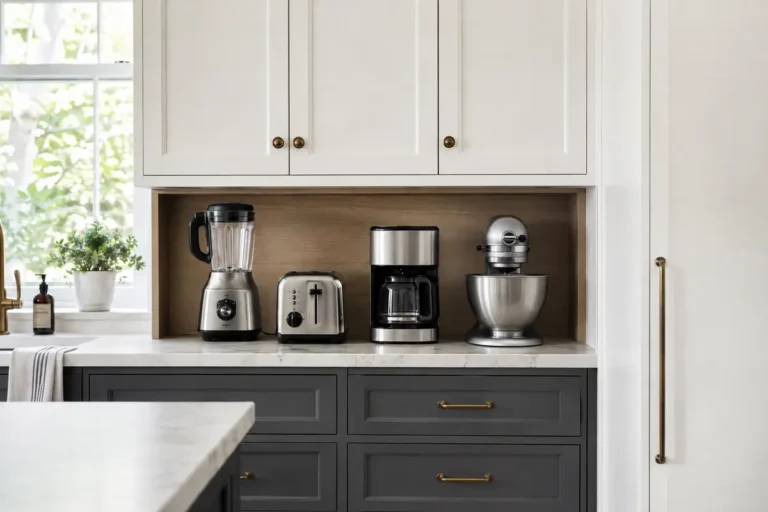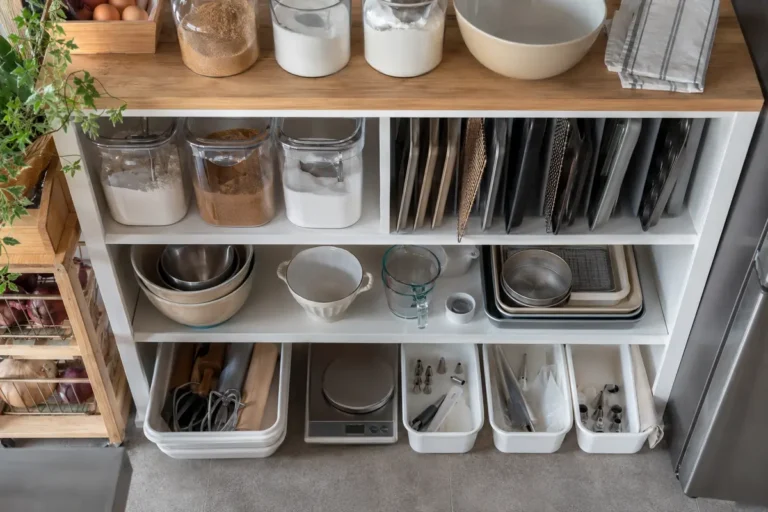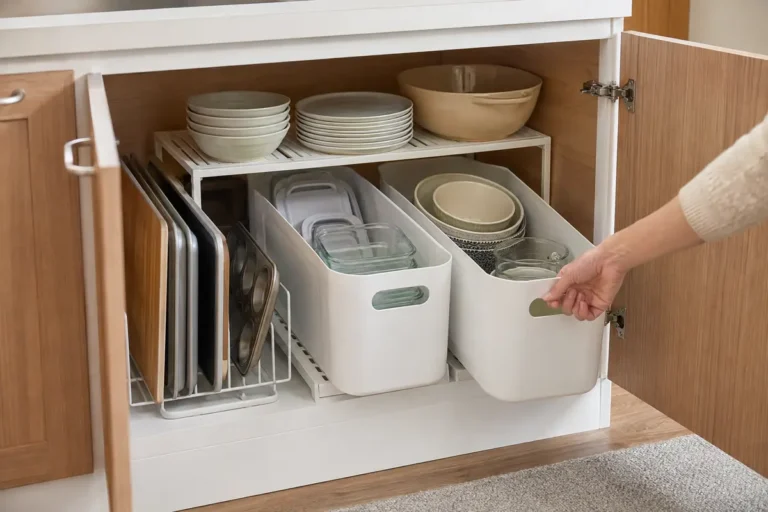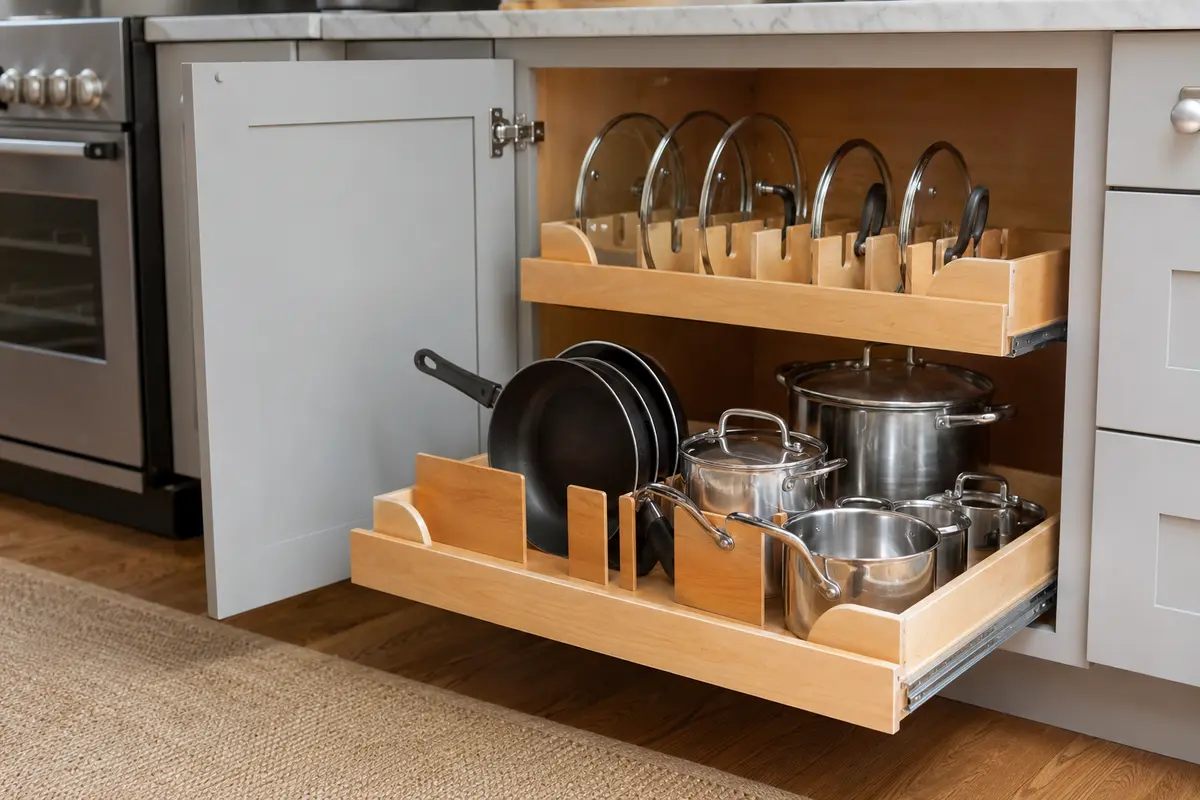
The best cookware storage prevents heavy lifting, unstable stacks, and scratched surfaces. Keep frequently used pieces low and close to the stove while protecting delicate finishes.
The Importance of Pots and Pans Organization
Before we dive deep into kitchen organization, let's pause to recognize its benefits: an organized culinary space can save time, boost efficiency, reduce stress during meal preparation, protect cookware longevity, and create an overall peaceful cooking environment.
Your pots and pans are essential in the kitchen and, as such, should be given careful thought in their arrangement for maximum use as well as creating an enjoyable cooking experience. Let's discover ways to achieve culinary bliss together!
1.Assessing Your Kitchen Space
Any successful organization project begins with an assessment of your space. Kitchen layouts vary widely from expansive gourmet spaces to urban kitchens - and each space comes equipped with its own set of assets and limitations.
Taking Stock of Available Storage
Examine all of your kitchen storage areas - cabinets, drawers, and shelves - to take inventory. Are there adjustable shelving units that can be reconfigured easily, or might there be hanging or wall-mounted options that can be utilized?
Identifying Problem Areas
Note any areas that consistently become cluttered and chaotic. This could be a low cabinet where pots are stacked haphazardly or a deep, hard-to-reach corner of the pantry. These problem areas will need targeted solutions to keep them tidy and functional.
2.Creating Zones in Your Kitchen
After identifying storage spaces and problem areas, the next step is to create zones dedicated to different aspects of cooking and meal preparation. Designate a specific area for cookware, preferably near the stove. Group pots and pans by type or size to streamline your cooking process. This method ensures that items most frequently used together are handily located in close proximity, reducing preparation time and improving your culinary efficiency.
Maximizing Vertical Space
Make use of vertical storage solutions to conserve precious cupboard and counter space. Use pot racks hanging above your kitchen island or install hooks under cabinets to hang pans or utensils. Vertical pot organizers can be invaluable for keeping lids sorted and pans in order, making them easier to grab when you are in the midst of cooking.
Implementing Drawer Dividers for Smaller Items
Drawers can become a disorganized jumble without the proper use of organizers. Implement drawer dividers to separate smaller pans, lids, and baking sheets. It maintains order and saves time by preventing the all-too-familiar rummage through cluttered drawers in search of the right lid or pan.
Sorting and Decluttering
Once you've planned out your space, the next step should be decluttering. Pots and pans tend to accumulate over time; it is easy for a collection to outgrow its intended use in your household.
Assess Each Pot and Pan's Purpose
Begin by evaluating the pots and pans you own. Do you have duplicates or multiple items serving the same function? Decide which pieces are essential to your cooking routine and set those aside.
The Art of Letting Go
Take stock of any items that could use to be parted out - cooking equipment that hasn't seen use lately may be on its last legs; consider whether donating them to those in need or disposing of them responsibly as you decide whether you want them around anymore.
Donate Unused Items
Donating unused items is a thoughtful way to pass on goods that can serve someone else. Charitable organizations or local cooking schools may appreciate the donation of cookware.
Keeping Up with Maintenance
Regular maintenance ensures your organized kitchen doesn't revert back into chaos. After each cooking session, make it part of your habit to return pots and pans back to their designated zones; clean and dry cookware thoroughly after every use before storing it to prevent moisture build-up that could eventually cause permanent damage over time. Check on pots and pans regularly to make sure that they continue meeting culinary needs while remaining in good condition; additionally, this provides an opportunity to assess organizational systems as needed, either through seasonal changes or adaptation to new cooking routines!
Selecting Appropriate Storage Solutions
With the number of pots and pans established, it's time to consider how to contain them. There are numerous options, each with its benefits and ideal uses.
Cabinet Organizers
If most of your storage is in cabinets, consider installing adjustable racks and shelves to accommodate different sizes of pots and pans or utilize stackable racks to make use of vertical space.
Hanging Solutions
Hanging your cookware can be a lifesaver for small kitchens with limited cabinet space. Pot racks, hooks, or even a DIY pegboard can transform unused wall space into a functional storage area.
Drawer Dividers
For kitchens with deep drawers, dividers can keep pans separated and easily accessible. Deep drawers also provide ample space for keeping lids organized and within reach.
Shelving and Racks
Expandable wire shelving units can provide additional space for larger items or for storing pots that aren't used regularly. Wall-mounted spice racks can also be repurposed for storing lids or smaller pans.
Leveraging Wall-Mounted Accessories
Beyond using spice racks for lids, there are even more wall-mounted accessories that can make a difference. Consider a magnetic knife strip to hold metal lids or installing a utensil bar alongside your pot rack for easy access to the tools you need for your culinary creations.
Pull-Out Organizers
Pull-out organizers are an indispensable way to store pots and pans efficiently. Their ability to bring cabinet contents right out to you makes finding what you need much simpler; no more digging through dark cabinets to retrieve essential items!
Corner Cabinet Solutions
Corner cabinets can be tricky, often leading to wasted space. Look into specialized corner cabinet solutions like a lazy Susan or a pull-out corner unit to maximize the use of this space.
Utilizing Unused Spaces
Last but not least, don't overlook any unused spaces. Side cabinets or the area above your refrigerator could benefit from having narrow shelves or railings installed to store less-often-used or seasonal items.
Implementing storage solutions that match both your kitchen's layout and cooking habits will create an environment in which cooking becomes enjoyable, not tedious. Revamping your strategy as needs shift will keep the peace within the space.
Arranging Pots and Pans
Now that your storage solutions are set in place, it is imperative that your cookware be organized so as to maximize available space while offering easy access when required.
Strategic Placement
Arrange your pots and pans according to frequency of use, positioning the items you use most at eye level or within easy access of any room or location - such as within reach. This may eliminate having to shuffle through various items or climb step stools just to find what you're searching for.
Stack, Nest, or Declutter
When space is at a premium, consider selecting cookware that can be nestled or nested to save space and make use of vertical space more efficiently. For instance, large pots could have their lids placed upside-down so as to be nestled into smaller items inside them for easy storage.
Hanging Pots by Size
When creating a hanging storage system, consider grouping the larger and heavier items at the sturdiest parts. This will prevent accidents while creating an attractive display.
Maintaining Organization
The final piece of the organization puzzle is to maintain the order you've created. Good organizational habits will need to become part of your regular kitchen routine to keep the space in peak condition.
Regular Purging
Schedule a time every few months to reassess your kitchen items and part ways with anything that's no longer needed. This will prevent clutter from building up again and keep your kitchen space efficient.
Daily Cleaning
Include wiping down and straightening up your cookware storage in your daily cleaning regimen to maintain an organized space and stop dust and grime from accumulating on the pots you plan to use soon. Doing this will not only keep it looking neater than before but also help prevent dust accumulation on pots waiting their turn in line for us!
Deep Clean Annually
Once a year, take everything out of your cabinets or off your racks and deep clean the space. This is a good opportunity to reorganize or clean your cookware, check for signs of wear, and ensure your storage solutions are in good condition.
Labelling to Improve Efficiency
Implementing a labeling system in your kitchen can further streamline its functionality by marking shelves and compartments with labels identifying pots and pans belonging to them. Doing this reduces searching time--not to mention simplifying it for anyone unfamiliar with your organizational scheme--while also serving as an easy reminder of where every item goes upon use. Labels serve an additional function by reminding users where things should go after use.
Adopt Changes in Your Cooking Style
As your cooking style develops, so will your organizational requirements. Be open-minded when reviewing how best to organize and store kitchen tools that may become part of your routine, like new techniques or tools you add into the mix. Remember the goal: creating an ideal setup that suits both you and your culinary journey!
Conclusion
An organized kitchen, complete with neatly stored pots and pans, is at the core of a fulfilling cooking experience. By taking steps such as decluttering, selecting appropriate storage solutions, and organizing cookware efficiently while managing systems effectively, you can create an environment that supports your culinary goals.
Be mindful that an organized kitchen should serve a purpose beyond aesthetics; its main aim should be creating an area in which cooking becomes effortless and pleasurable. Take these tips on board, and watch how transforming your space also changes how you cook!
For more in-depth articles on kitchen organization, culinary tips, and practical home solutions, visit our blog. Happy cooking!
Frequently asked questions
Is it safe to stack pots and pans?
Yes, if the stack is stable and not too heavy. Place protectors between nonstick or enameled surfaces to prevent scratches.
What is the best way to store pan lids?
A vertical divider, door rack rated for the load, or dedicated shallow drawer keeps lids visible and prevents unstable piles.
Can pans be hung on a wall?
Use properly anchored hardware rated for the total weight and keep handles away from walkways, children, and heat.
Kitchen conditions and products vary. Follow manufacturer guidance and consult a qualified professional when safety or specialist work is involved.