Cabinet finishes react differently to water, heat, abrasives, and solvents. Identify the material first, test in a hidden spot, and keep moisture away from seams and unfinished edges.
In this comprehensive guide on cabinet care and cleaning procedures you'll keep your culinary retreat looking gorgeous while staying functional over time! In this comprehensive guide on cabinet care and cleaning procedures, you'll learn everything needed to keep your culinary oasis looking gorgeous while remaining functional over time!
Understanding Your Kitchen Cabinets
Before we delve into maintenance, let's review some basic knowledge of cabinets. There are various materials and finishes for cabinets available today; being aware of which one you are working with is key to knowing how best to care for it.
Types of Materials
Kitchen cabinets may be constructed out of various materials, with wood being one of the more frequently employed ones. Solid wooden cabinets crafted out of oak, maple, cherry, or birch provide an enduring traditional and warm aesthetic, while engineered wood products such as plywood-covered particle board covered by veneer may also feature. Metal, glass, and plastic laminate laminates may also be utilized; each requires its own care and cleaning methods for best results.
Common Finishes
The finish on your cabinets is the armor against everyday damage. Common cabinet finishes include:
- Stained Wood: Offers a range of color and grain enhancement.
- Painted Wood: Offering maximum flexibility of color and style options.
- Laminate: Laminate is a synthetic material resistant to staining that makes cleaning simple and easy for daily use.
- Thermofoil: An engineered wood surface covered by an adhesive vinyl film, which provides long-term durability and easy upkeep
Consideration should always be given when caring for the finish on your cabinet, as harsh methods or products could damage or alter its surface, potentially rendering it useless and ruinous for use
Daily Care Tips
Maintaining your cabinets on an ongoing basis is the key to their best appearance.
Scheduled Dusting and Wiping: Dust Control Techniques
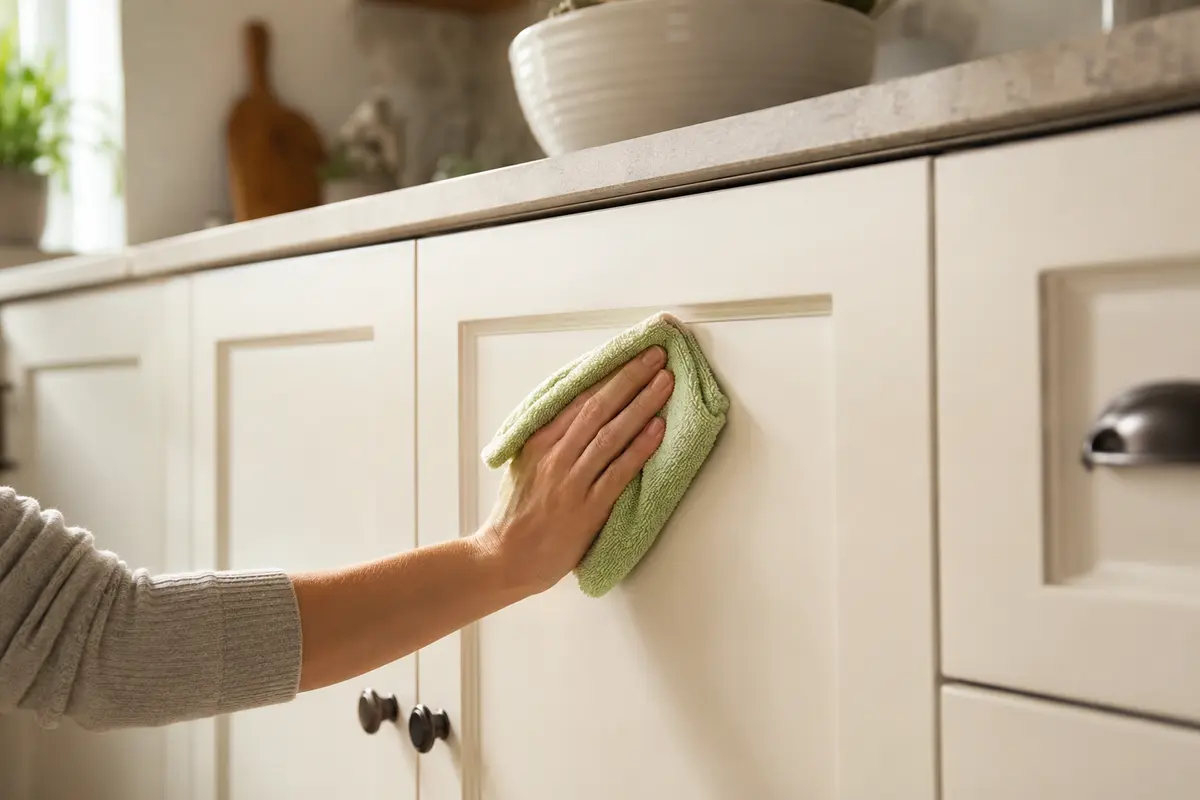
Time may quickly accumulate dust and dirt, but regular, light cleaning with a microfiber cloth or magnetic duster will stop accumulation and keep everything spotless.
Techniques for Spills and Stains Best Practice
Particularly acidic or brightly colored materials that can erode finishes or soak into porous surfaces, should be immediately cleaned up with a moist cloth. Often, mild dish soap on a moist cloth will remove more difficult stains without being harsh.
Deep Cleaning Techniques
Your cabinets may eventually need more in-depth cleaning in places where food waste or oil tends to accumulate.
Removing Grease Buildup
Oil and grease buildup on surfaces near kitchen areas is often stubborn to clear away, even with regular efforts at using baking soda and water mixture. A combination of vinegar and water may also prove effective at dislodging those stubborn spots if these are applied to painted or stained wooden cabinets.
Polishing Wooden Cabinets
Regular polishing of wooden cabinets may maintain their timber nourished and their finish appearing bright; just make sure to pick a suitable polish that won't damage the finish irreversibly. To prevent its coatings from suffering irreversibly damage.
Glass and acrylic surface cleaning
To avoid streaks on glass and acrylic surfaces, use a mild glass cleaner—vinegar mixed with water, for example. These surfaces can be effectively and streak-free shined with a combination.
DIY Cleaning Solutions available are ideal solutions to maintain home cleanliness
For those who prefer to keep it natural, several DIY options can maintain your cabinets without harsh chemicals.
Environmentally Friendly Options
Eco-friendly cabinet cleaners exist commercially or can easily be made at home using ingredients such as vinegar, baking soda and lemon - giving your cabinets extra TLC as they stay cleaner longer!
Preventive Maintenance
Routine preventive measures can save both headaches and budgets from the impact of major repairs or replacements. They're worth exploring to avoid expensive surprises later.
Tips to Extend Cabinet Lifespan
- Cabinet liners provide protection from scratches caused by dishes and other objects stored within.
- For everything to function as it should, regularly inspect and tighten your hardware.
- Reduce misalignment and damage by not hanging or leaning against cabinet doors.
Take Control of Temperature and Humidity Variations Now
The expansion or contraction of wood in reaction to variations in temperature and humidity can cause warping of kitchen fixtures. Installing a dehumidifier and sealing up any gaps around cabinets are two excellent ways to ensure the perfect circumstances for these objects to thrive.
Addressing Common Repair Issues
Though we try our hardest, cabinets may require repairs at times. Being aware of common problems will allow you to address them more promptly and effectively.
Fixing Loose or Broken Hinges
Cabinet doors that sag or fail to close properly often result from loose hinges. Tightening up their screws could make an immediate, impactful statement about their state; for more severe damages, however, you might require entirely new hinges.
Repair of Scratched or Dented Wood Surfaces
Wood filler or touch-up marker that matches the finish can help conceal minor scratches on wood cabinets, while for deeper dents, professional assistance may be required if their depth exceeds your capabilities.
Restoring Faded Finishes
Light and regular cleaning can gradually cause cabinet finishes to discolor over time, and restoration products may help bring them back into color and brilliance, though in some cases, a fresh coat of paint or stain may be needed for full restoration.
Revitalizing Hardware and Accessories
Just as cabinet bodies require care, so too do their knobs, pulls, and handles that are touched throughout each day. Over time, these pieces of hardware may accumulate dirt, grease, and grime, which may eventually begin to date them and appear outdated. For maintenance:
- Clean hardware using a mild soap and water solution to avoid using harsh cleaners that might damage its finish.
- Consider replacing hardware to quickly update the look of your cabinets without needing full renovations.
- Be certain that any new hardware fits securely within existing holes, or be prepared to fill and drill new ones if required.
For many years to come, your kitchen cabinets will look their finest and run flawlessly if you follow these care and maintenance recommendations. A room can be revitalized and kept hospitable for cooking, eating, and social occasions with regular maintenance and little renovations.
Maintaining the aesthetics and cleanliness of your kitchen requires taking measures to protect its sink and faucet from water spots or mineral buildup, which could eventually accumulate over time.
Maintaining your countertop surfaces is equally important to preserve the overall appearance of your kitchen. Various materials need for different kinds of maintenance. So, for example:
Caring for Granite Countertops
- Spills right away to avoid discoloration.
- For a clean-up that won't harm the sealant, use a granite-specific cleanser.
- Every now and then reseal the countertops to keep them resistant to stains and absorption.
Maintaining Quartz and Engineered Stone
- Use mild dish soap and warm water for regular maintenance cleanings.
- Avoid subjecting surfaces to high heat levels that could potentially result in cracks or discolorations, which could potentially cause cracking and discoloration.
Preserving Laminate Surfaces
- Clean using a soft, damp cloth and nonabrasive cleaners.
- Utilize laminate repair paste that matches the surface color to address minor scratches on laminate surfaces.
Carefully consider each material's specific requirements so it will both add beauty to your kitchen while withstanding everyday use. By doing this, you will ensure they not only add visual interest, but can withstand years of use without showing signs of wear and tear.
Caring for Marble Countertops
- Use paper towels or cloth pads immediately when acidic liquids, like lemon juice or wine spills, occur to avoid permanent etching of surfaces.
- Use a pH-neutral cleaner formulated specifically to clean marble to avoid damaging its stone surfaces.
- Consider applying marble sealant periodically as a preventative measure against staining, though keep in mind it won't make the countertop invulnerable to damage.
Provided they're treated properly, marble countertops can make an elegant addition to your kitchen. Regular care will help this luxurious material retain its elegance for many years to come - cutting boards and trivets should always be used to protect surfaces against scratches and heat, plus remember the character naturally patinated marble surfaces bring into the heart of any home!
Maintain Clean and Energy Efficient Appliances
- Refrigerator: Regularly clean interior shelves and compartments using gentle cleaner while vacuuming condenser coils on the back or bottom of your fridge to help it run coolly and efficiently
- Oven and Stove: For gas stoves, ensure an even flame by regularly wiping off and cleaning burner caps and grates, while with electric models, it is wise to regularly unmount and wipe down drip pans before running your self-cleaning function or using nonabrasive cleaner.
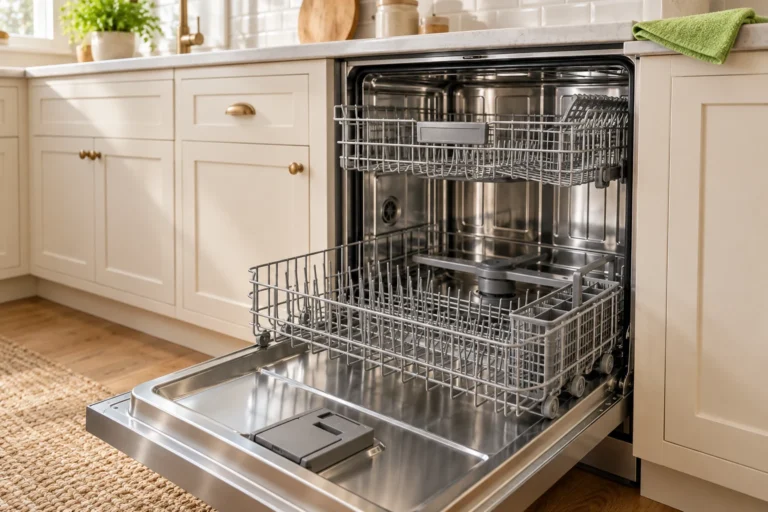
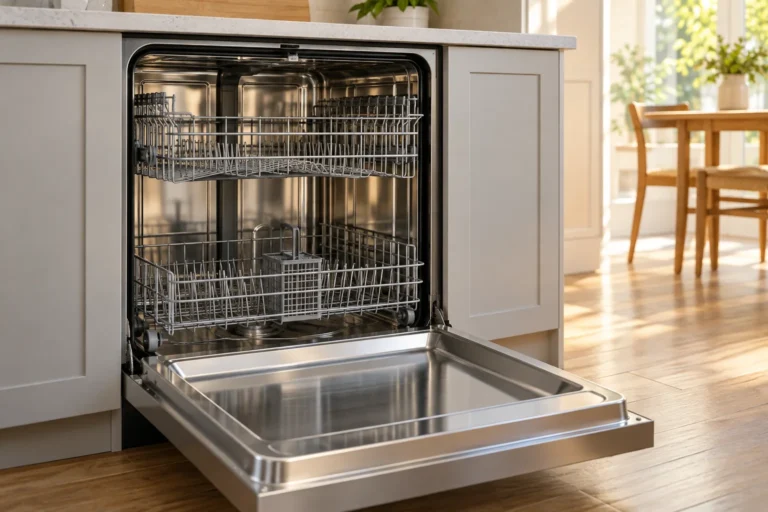
- Dishwasher: For best results, regularly empty and clean out the filter as well as run cycles with a dishwasher cleaner to eliminate soap scum and food debris to guarantee dishes come out looking gleaming clean.
- Microwave: To clean a microwave safely and prevent food buildup in the turntable and interior of the microwave, always use microwave-grade cleaning solutions when wiping down its interior or using hand or dishwasher methods for turntable cleanup.
Periodic maintenance of appliances not only adds beauty and efficiency to your kitchen but can save energy costs, prevent wear and tear, and identify potential issues early. Scheduling regular check-ups allows you to detect problems before they escalate further.
Conclusion
Your Kitchen Cabinets Are an Investment. Kitchen cabinets provide the backdrop to many memories in your home and are essential assets that should be protected through regular care and cleaning. Not only does regular care contribute to keeping a fresh atmosphere in the room, but it can also extend their longevity and quality over time.
By adopting these thorough cleaning techniques and taking a proactive approach to maintenance, you can enjoy having a kitchen space that remains charming, organized, and enjoyable to work in for years. Remember, making small changes now could save money and effort down the line. Happy cleaning!
Frequently asked questions
Can dish soap be used on kitchen cabinets?
A small amount of mild dish soap diluted in water is often suitable, but test first and follow the cabinet maker's care instructions.
How do I remove grease without damaging cabinets?
Start with warm diluted mild soap and a soft cloth. Avoid aggressive scrubbing and solvents unless approved for the finish.
Should wood cabinets be soaked during cleaning?
No. Excess water can enter joints, swell panels, or damage finishes. Use a barely damp cloth and dry promptly.
Kitchen conditions and products vary. Follow manufacturer guidance and consult a qualified professional when safety or specialist work is involved.