Regular cleaning can improve appliance performance and reveal worn parts early, but maintenance steps vary by model. Unplug movable appliances and follow each manual before removing a cover or filter.
In this comprehensive blog post, we will address the importance and benefits of appliance maintenance as well as regular cleaning for various appliances, along with providing expert tips to extend their lifespan, eco-friendly solutions, and an ideal maintenance schedule. Whether you are an eco-conscious homesteader looking for new ways to extend their appliance's lifespan or passionate about sustainable living - this guide can be of use!
Why bother with regular appliance maintenance?
Home Kitchen Nutrition for Healthier Eating Solutions
Clean kitchens are essential in creating a healthy home environment. Foodborne illnesses may result from bacteria or mold growth in neglected appliances; by regularly maintaining these, you reduce the risk of contamination while guaranteeing your family can enjoy meals safely prepared within an inviting setting.
Extending Appliance Lifespans
Every appliance requires care from time to time, from simple wiping of surfaces to regular inspection to prevent dust buildup or component failure due to accumulation.
Maintain a Sustainable and Energy Efficient Infrastructure for Success
Clean appliances use less energy. Dust accumulation on refrigerator coils and dirty dishwasher filters can significantly decrease their energy efficiency; adhering to our sustainable living commitment by regularly cleaning is the way forward for lower energy bills while simultaneously decreasing environmental impact.
Now that it is evident the importance of regular kitchen appliance maintenance and care is clear, let us discuss in more depth each major kitchen appliance's upkeep and care requirements.
Cleaning Tips for Different Appliances
Refrigerator: Your Cooling Sanctuary
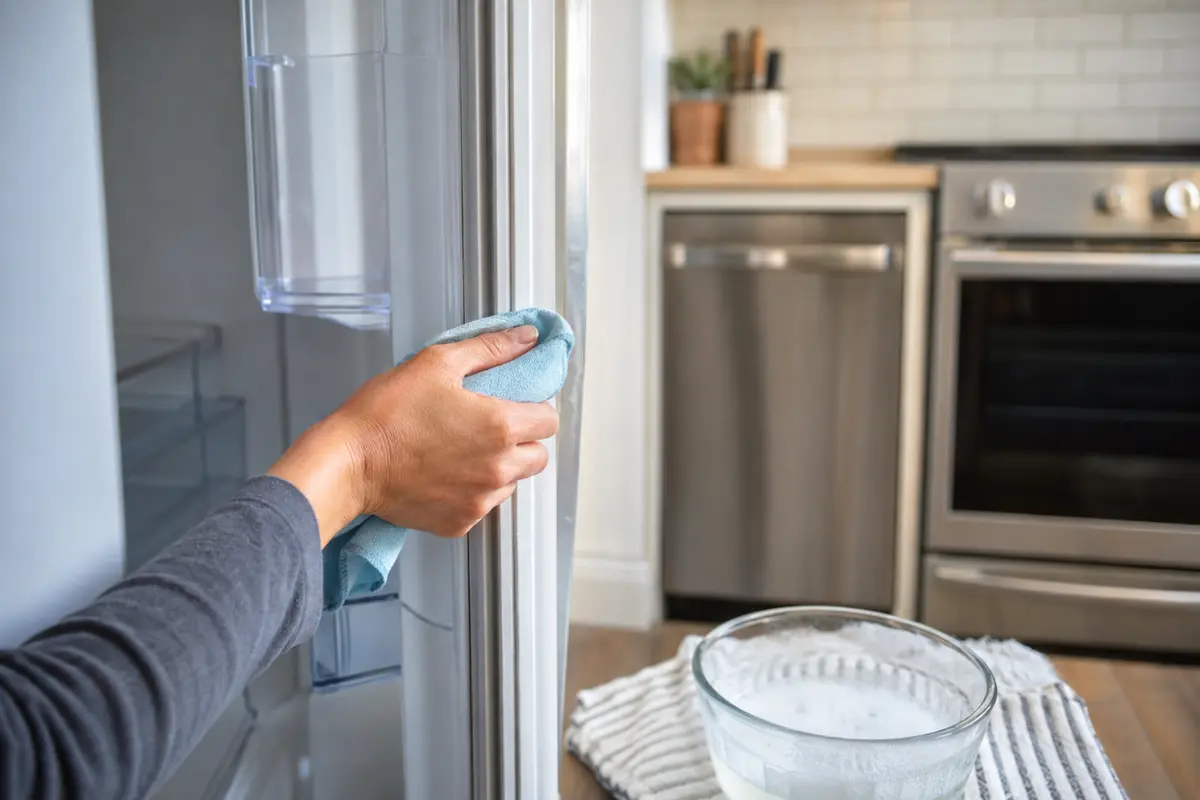
Refrigerators are used to store items with short lifespans, thus placing immense importance on maintaining an ideal and clean environment in these spaces.
- Clean Any Spills As Soon As They Appear: Wiping away spills immediately can help avoid unpleasant odors or mold growth in the future, thus helping maintain good air quality in your space.
- Monthly Upkeep: Removing any old, obsolete items while cleaning interior shelves using mild soap solutions will keep the whole place running optimally.
- Coil check: In order to maintain efficient functioning of your refrigerator, periodically use compressed air or vacuum suction cleaners to clean its condenser coils - this will keep its condenser running more effectively and prolong its service life.
Oven: The Culinary Core
The oven withstands the harshest treatment with spills and splatters, often baking onto surfaces.
- Home-baked solution: Combine baking soda and water to make a natural oven-cleaner paste.
- Apply and wait: Apply the paste liberally to the oven's interior, leave it to sit overnight, and wipe away grime the next day.
- Wipe and repeat: For significant build-up, repeat the process until you're satisfied with the results.
Dishwashers Provide Convenient Cleanse Solutions
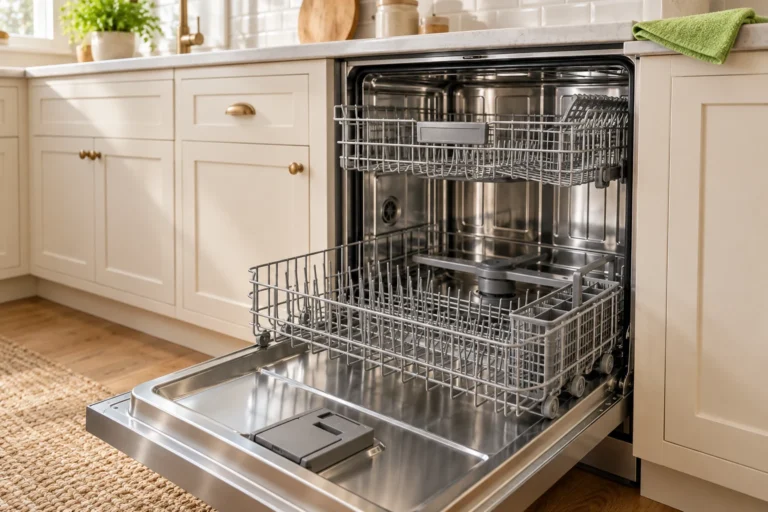
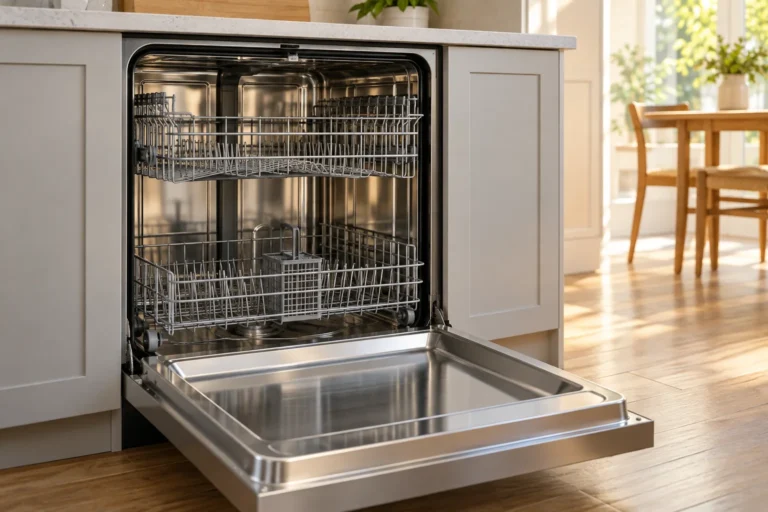
Your dishwasher might appear self-cleaning, but soap scum and food particles may accumulate, leading to unpleasant odors that affect its performance.
- Run a maintenance cycle: At least once each month, run your dishwasher with either an all-purpose cleaner or a cup of white vinegar in an empty load on its highest setting for maintenance purposes.
- Filter Recommendation: Regularly inspect and clean the dishwasher filter to keep water draining properly and reduce pump damage.
Microwave Oven as Indoor Speed Cooker
Microwave ovens can become stained from heavy spattering, leaving an unsightly film.
- Steam Strategy: Microwave a bowl of water mixed with lemon slices in order to loosen the grime build-up in your microwave and freshen its interior. Doing this regularly also has the added bonus of revitalizing its interior!
- Wipe Down: Once steaming has concluded, make sure that after cleaning with a vinegar-water solution or damp rag, wipe down every area with a damp cloth - including ceiling and door interiors, as they might harbor unwanted grime! Don't neglect the ceiling and door interiors, which might contain hidden filth.
Clean Up with Your Coffee Machine: Clean Efficient Brewing Solutions
Coffee makers have become an indispensable appliance, fuelling our morning routine and fuelling the day ahead. Unfortunately, their neglect can result in mineral accumulation and mold growth, which ultimately compromise their efficacy and ruin their function.
- Daily Rinsing: After each use, make sure that any removable parts, such as pots and plates, are rinsed out with warm water before being stored away for reuse.
- Monthly Deep Clean: Start off by running two cycles using equal parts water and vinegar for decalcification before switching over to plain water to rinse your machine.
Smooth Operations in The Blender
Blenders are invaluable tools for smoothie fans and home chefs, yet improper cleaning could leave food debris behind.
- Immediate Rinse: Always wash out your blender immediately after use to prevent residue from hardening over time and hardening into chunks of residue that might collect on its blades.
- Thorough Cleaning: First, disassemble the parts and use warm, soapy water to thoroughly cleanse them, while for any tough residue, use a solution of baking soda and water for an effective scrub.
- Before Reassembling: For optimal performance and to avoid mold growth and unpleasant aromas, ensure all components have been completely dried out to eliminate mold growth and unpleasant odors.
Toasters Provide Crumb-Free Convenience
Toasters are designed for their simplicity, yet crumbs can accumulate rapidly inside, becoming a fire risk.
- Regular Crumb Removal: Unplug and remove the crumb tray before shaking out any excess crumb debris into the sink. Alternatively, turn it upside-down and gently tap to loosen any leftover bits from your toaster's insides to clear away crumbs from its crevices.
- Wipe Down: Start by dampening a cloth with water and mild detergent before wiping down the exterior surface with it. For stainless steel surfaces, consider investing in an industrial-grade cleaner specifically made to prevent streaking issues.
By including these appliances in your regular maintenance regimen, you ensure a comprehensive approach that keeps your kitchen running efficiently and safely.
Clean with eco-friendly solutions available now
DIY Solutions to Give your Kitchen an Eye-Catchy Makeover
- Baking soda: An indispensable kitchen essential, baking soda should be part of every household's arsenal for deodorizing pots and combatting hard grease spots. Its versatility also makes it suitable for decontamination in commercial kitchen settings.
- Lemon and Vinegar: Both lemon and vinegar possess acidity that allows it to cut through grime effectively while cleaning surfaces efficiently - ideal for microwave steam cleaning as part of regular refrigerator/dishwasher maintenance!
- Olive Oil: When mixed with lemon juice, olive oil makes an effective cleaning agent to polish stainless steel appliances to an impressive shine.
Kitchen Hygiene Products that Are Eco-Friendly
Eco-friendly cleaning products deliver top performance without harming the planet.
- Biodegradable detergents: Select biodegradable dishwasher and oven cleaner products to reduce their impact on local watersheds.
- Gentle Scouring Pads: Opting for natural sponges or scouring pads will reduce microplastic pollution in water systems while efficiently taking care of most kitchen cleaning duties.
- Non-Toxic Sprays and Solutions: Eco-certified ingredients offer added peace of mind in terms of safety and sustainability, helping your kitchen remain safe.
Kitchen Appliance Maintenance Plan
An Initiative for Proactive Appliance Health Maintenance
Here is a suggested schedule for maintaining kitchen appliances. Feel free to adjust it according to usage specifics or manufacturer recommendations:
Daily: To prevent bacteria spread and ensure maximum performance from all appliances and surfaces used during usage, regularly wipe down surfaces after each use and wipe down appliances after each use with disinfectant wipes or disinfectant solutions.
Weekly: Check at least one major appliance - such as your fridge, oven, or microwave.
Monthly: At least once every month, conduct a more comprehensive cleaning of specific components, such as the oven one month; then, the next time around, the dishwasher filter may need attention, and so forth.
Quarterly: Schedule an all-out "cleaning day" to simultaneously deep clean all kitchen appliances at once.
Adherence to this maintenance schedule not only ensures the condition and lifespan of appliances are maintained but can also extend their efficiency and lifespan, saving costly repairs or replacements in the future. Also, incorporating eco-friendly solutions can create a healthier environment in both your home and globally - these small steps not only maintain your kitchen but contribute toward investing in its future!
Persistent Odors and Stains in Your Kitchen Space
Winning Strategies for a Fresh Kitchen
Kitchens may harbor stubborn odors and stains despite regular cleaning efforts; here's how you can deal with such persistent issues:
- For stubborn odors: For effective neutralization of refrigerator and freezer odors, store an open container of baking soda inside both of them. Activated charcoal filters also work effectively at absorbing unwanted smells in fridge and cupboard spaces.
- Tough Surface Stains: Make a paste out of baking soda and water to provide a gentle yet effective scrub on countertops and stovetops, and for stubborn spots, add hydrogen peroxide for extra cleaning power without the risk of surface damage.
- Coffee and Tea Stains: For stained pots or cups with coffee stains, fill them with hot water mixed with baking soda for at least 12 hours after pouring a solution into them and allow them to sit overnight. Teapots/machines may need an additional cycle using this combination in order to effectively eliminate remaining tannins and residue.
Implementing these specific tips for dealing with tough odors and stains into your cleaning regimen will guarantee a truly fresh-smelling kitchen environment, turning it into the heart of the home. By effectively dealing with common problems like these, you'll create an oasis-like space in which to work!
In Conclusion
Appliances are at the core of our kitchens. By regularly maintaining them and giving them proper attention, not only do we ensure they function more effectively and last longer, but we also contribute towards creating a healthier living environment and more eco-friendly planet. Your cleaning routine should coincide with meal planning and be recognized just like achievements - after all, nothing beats an uncluttered kitchen in life's grander scheme of things! With these tips at your fingertips, you are well on your way toward having an aesthetically pleasing home kitchen that also serves its community in terms of health and sustainability!
Remember, it's not just about keeping up appearances. A maintained kitchen is a reflection of values and the essence of a home that is thriving both inside and out. Here's to the impeccable kitchens and the delicious meals that they will continue to grace for years to come.
Frequently asked questions
How often should kitchen appliances be cleaned?
Wipe spills promptly and follow each manual. Filters, seals, vents, coils, and interiors may need weekly, monthly, or seasonal attention depending on use.
Should appliances be unplugged before cleaning?
Unplug a movable electrical appliance before deeper cleaning unless its manual specifically requires power for a procedure.
When should an appliance technician be called?
Stop using the appliance for sparks, burning smells, gas odors, damaged cords, persistent leaks, or faults involving sealed, gas, or electrical systems.
Kitchen conditions and products vary. Follow manufacturer guidance and consult a qualified professional when safety or specialist work is involved.