Safe DIY plumbing maintenance is mainly observation, cleaning accessible strainers, and using the fixture correctly. Shut off water before loosening a connection and do not open walls or work near unsafe electrical conditions.
An Overview of Proper Kitchen Plumbing Maintenance
Your kitchen plumbing system is an intricate system of pipes, valves, and fixtures designed to supply clean water while extracting waste. Failure to keep this system properly maintained could cause anything from minor inconveniences to serious flooding damage if left neglected - not only at risk to comfort but also in terms of home safety, hygiene, and value!
Understanding Kitchen Plumbing Issues
Before exploring how we can maintain kitchen plumbing, it's essential that we gain an understanding of potential issues that could arise.
Clogged Drains Unclogging drains is by far the most
prevalent drain issues Clogs often arise as a result of food particles, grease buildup, or foreign objects becoming lodged inside your pipe system, leading to slow drainage or standing water in your sink.
Leaky Faucets
Dripping faucets can be an eyesore and waste significant quantities of water over time, not to mention how quickly costs accumulate on utility bills. Even minor leaks add up over time.
Low Water Pressure
Low water pressure can make everyday tasks such as dishwashing more complicated and less enjoyable than they should be. Low pressure may be caused by mineral buildup in pipes or issues with municipal supplies; whatever its cause, this issue must be taken care of quickly before any more serious consequences develop.
Preventative Maintenance Tips
Undertaking proactive maintenance on your kitchen plumbing system can prevent many common problems from emerging. Let's explore some essential maintenance tips.
Regular maintenance should be conducted to maintain the optimal performance of machinery. For maximum results, cleaning and inspection should take place periodically to maintain the optimal functionality of machines.
Preventing clogs begins with regular drain cleanings. At least twice each month, use non-corrosive cleaners that won't further block up your pipes while checking for signs of leaks or corrosion in visible pipes.
Proper disposal of grease and food waste
Clogged kitchen drains often stem from improper disposal of grease and food waste, particularly grease collected in an airtight container before disposing it properly in your trash can or by installing a sink strainer to catch solids that enter your system. To reduce kitchen clogs and ensure optimal plumbing operation.
Inspection for Leaks and Repair of These As Soon As Possible
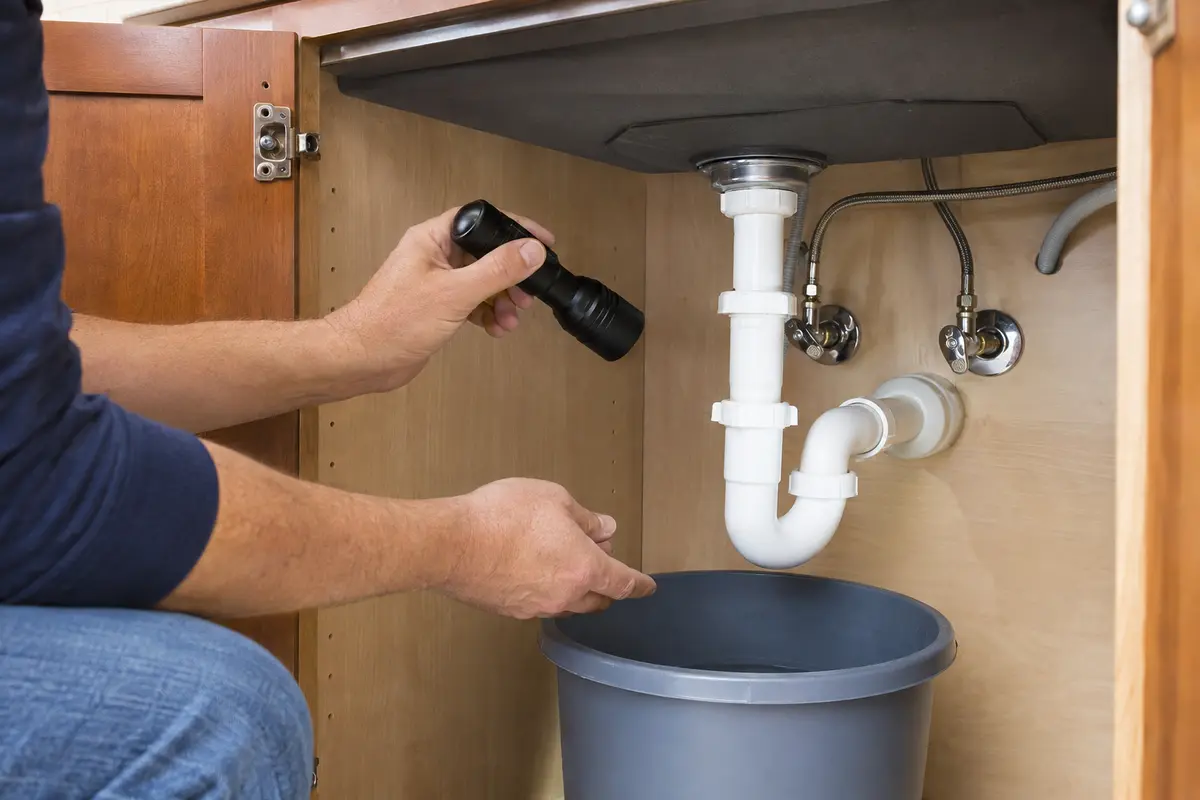
Make it part of your routine to inspect under your sink regularly for leaks. If any moisture, rusty spots, or mold is discovered, address it right away, as even small leaks could indicate larger problems that require professional assistance.
Maintaining Proper Water Pressure levels
Check for leaks and monitor your water pressure regularly. If there's a significant decrease, first double-check that the shut-off valve is open fully; if that doesn't solve it, there could be another more serious problem related to pipe buildup or an untrustworthy fixture that needs servicing.
Common DIY Solutions to Fix Issues in the Bathroom and Kitchen
Don't panic when minor plumbing issues pop up; many common kitchen plumbing issues can often be remedied with simple DIY techniques. Here is how you can deal with three of them.
Unclogging Drains
Start with a plunger to dislodge the clog. If the above options do not help, try employing a drain snake or mixing vinegar and baking soda into a homemade solution instead of resorting to chemical drain cleaners that could harm both your pipes and the environment.
Fixing Leaky Faucets
A leaky faucet could be caused by worn-out or incorrectly installed washers that need replacement, worn sealant, and gasket material in its internal components, or an incomplete assembly job that was completed improperly. To address such a situation and possible leaky problems properly, Shut off your water source, disassemble, and reassemble with new ones from their manufacturer - then follow their instructions when doing this work!
Improving Water Pressure
Whilst sediment can build up over time and restrict flow, cleaning the aerator on your faucet might improve things a bit if that doesn't solve anything else. Otherwise, it might be connected with something larger, such as plumbing issues that need addressing instead.
Essential Tool Kit for DIY Plumbing Repairs
Although complex plumbing issues require professional attention, having a basic tool kit can allow homeowners to make simple repairs themselves. A toolkit should consist of wrenches, pliers, pipe cutters, Teflon tape, and plungers; these will enable users to tighten connections or replace sections of pipe as well as clear minor clogs themselves. However, it's essential that those seeking DIY plumbing knowledge understand their limitations as complex tasks like mainline leakage should best be left to licensed plumbers in order to avoid accidental damage to home plumbing infrastructure.
Adopt Eco-Friendly Plumbing Solutions
As we become more conscious about environmental matters, incorporating eco-friendly plumbing solutions into our kitchen plumbing can be an excellent way to reduce our impact and take proactive measures towards sustainability. Low-flow faucets and fixtures are simple switches that reduce water use without sacrificing performance; greywater systems that recycle sink water for use in gardens or toilet flushing can further cut back consumption while saving on bills, too! Be sure to research local regulations first, consulting with qualified plumbers when making changes, as this ensures their implementation safely and successfully.
Regular Drain Cleaning Is Essential in Plumbing Maintenance
Neglecting to maintain clean drains in your kitchen can result in clogs and foul odors that disrupt their use, along with regular drain cleaning sessions to clear away grease, soap scum, food debris, and any accumulated grease that obstruct water flow.
Homeowners can use baking soda and vinegar followed by hot water as a natural cleaning agent to keep their pipes clear; for tougher clogs, they may require mechanical tools like an auger or drain snake, while chemical drain cleaners should be avoided as they may damage pipe's over time if used too frequently - setting an effective routine will contribute significantly towards maintaining overall plumbing health for kitchen plumbing system health in this regard! Implementing such a schedule will contribute positively towards maintaining overall plumbing health within the kitchen plumbing system. It will contribute greatly towards overall plumbing system health!
When to Call a Professional
Although many kitchen plumbing issues can be managed on your own, sometimes professional assistance should be sought instead. Here are some indicators of such a need.
Unusual or Foul Odors
Any persistent odor coming from your kitchen drain could be indicative of an underlying sewer line problem; cleaning alone might not solve it if so; in this instance, it would be wiser to contact a plumber immediately for further evaluation and solution.
Wastewater Backup
If water is backing up into your kitchen sink or other drains, this should be considered an emergency and addressed as quickly as possible. A backup could signal problems in the main sewer line, which cannot be solved alone.
Noisy Pipes
If your pipes are making loud clattering, knocking, or whistling noises, it could mean there's air trapped within, an imbalanced water pressure level, or loose pipe straps - in any of which case professional assessment and repair would likely be beneficial in order to minimize long-term damages to your plumbing.
Seasonal Maintenance for Kitchen Plumbing
Regular seasonal maintenance for kitchen plumbing can ensure it remains in optimal working condition year-round. As temperatures fluctuate and demands shift on pipes and fixtures, their needs also shift; during colder months, it's crucial to insulate exposed pipes to protect against freezing and burst, while as temperatures heat up, check for condensation that might result in mold or mild spots forming on them as temperatures heat up further in the summertime - with regular checks like these protecting both you and your plumbing system from costly repairs!
Monitor for Mold and Mildew Growth
As part of your seasonal maintenance tasks, take special care when inspecting kitchen plumbing for mold and mildew. Fungi thrive in moist environments and may pose health hazards if left undetected, so pay particular attention to areas under sinks, around faucets, and near any pipes that tend to collect condensation - specifically under sinks, around faucets, near any condensation-collecting pipe, etc. - where mold could collect.
When finding mold or mildew growths under any sinks or in any pipes where condensation forms on their surfaces, before treating with a bleach mixture of water/bleach solution to clean these areas immediately; once removed, take steps such as improving ventilation or adding a dehumidifier to reduce moisture levels even further preventing future outbreaks reoccurrence ensuring your kitchen remains safe and sanitary!
Maintain an Organized Under-Sink Area
An organized under-sink area can not only add aesthetic value but can also prevent plumbing mishaps. Store household cleaners and other items in waterproof bins to minimize potential leak damage; pay special attention when placing these objects so as to not block pipes or the drain system of your sink. Regularly decluttering this space will make leak detection and repairs simpler - and sooner! Regular decluttering also makes leak detection and fixes much simpler, saving time, effort, money, and frustration in the future!
Conclusion
Maintaining your kitchen plumbing system may not be one of the more thrilling responsibilities of homeownership, but it remains of equal importance. By engaging in regular maintenance and promptly responding to issues as they arise, you can keep your kitchen functioning at peak condition all year round - not to mention saving thousands in costly repairs down the line! For any task that proves overwhelming or requires professional expertise, don't hesitate to seek assistance; both your kitchen and peace of mind will thank you.
Frequently asked questions
What should never go down a kitchen drain?
Avoid grease, oil, coffee grounds, expandable starches, paint, chemicals, and food scraps the disposal is not designed to handle.
Can chemical drain cleaner be used in a kitchen sink?
It can damage some pipes, create hazardous fumes, and endanger later service work. Use the plumbing and product manufacturer's guidance or call a plumber.
When is a kitchen sink leak an emergency?
Shut off the water and seek help for an uncontrolled leak, water near electrical equipment, sewage backup, structural damage, or a failed shutoff valve.
Kitchen conditions and products vary. Follow manufacturer guidance and consult a qualified professional when safety or specialist work is involved.