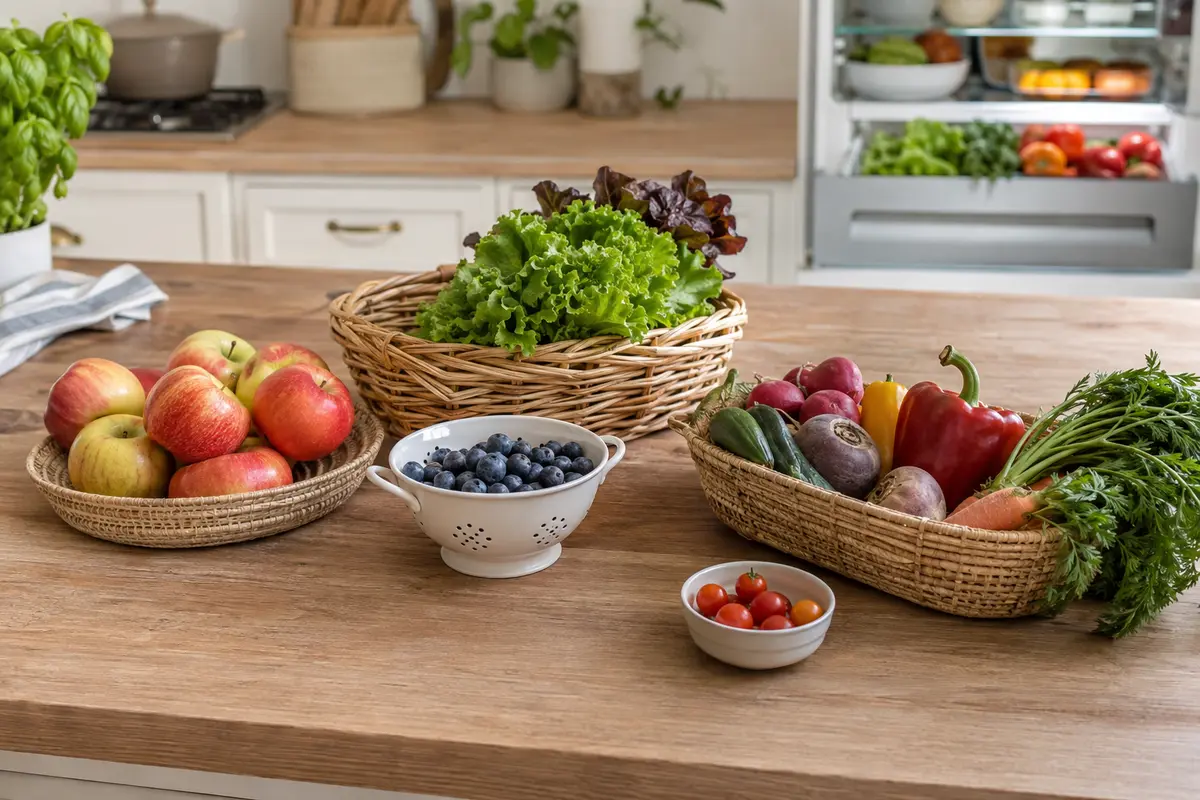
Produce lasts longer when its storage matches how it respires. Some items need refrigeration and humidity, while others need airflow at room temperature; ethylene-producing fruit should often be separated from sensitive vegetables.
Keeping fruits and vegetables fresher for longer is the first of several tactics that both people and society may use to combat food waste and spoiling in this thorough guide.
Science of Spoilage Understanding
Fresh fruits and vegetables are living things. Fruits and vegetables breathe even after they are picked, expelling carbon dioxide and absorbing oxygen for respiration, a process necessary for their life but also heavily contributing to spoiling. Here are the main determinants of how long food keeps fresh:
Respiration Rates and Ethylene Sensitivity
Different fruits and vegetables breathe at different rates; as respiration accelerates, so does spoilage. Certain products known as "ethylene-sensitive," particularly bananas, which produce excessive levels of this hormone that speeds ripening along, are especially susceptible to spoilage when exposed even briefly to even small levels of ethylene, making other fruits nearby susceptible.
Outside Affects
Longevity of products is mostly influenced by temperature and humidity. While humidity may promote the development of germs and mold, high temperatures speed up respiration. The ideal storage environment is one in which things are cooled without chilling food that is susceptible to chilling or where storage spaces are kept too damp.
Physical Damage
Fruit and vegetable skin injuries create entryways for air, mold, and bacteria - speeding the spoilage process significantly.
Microbial Interactions
The natural microbiome of our environment can quickly overrun a piece of spoiled produce, turning it into a hotbed of microbial activity, which leads to harmful pathogens and, of course, inedibility.
Storing Smart to Preserve Fruits and Vegetables Freshness
The way we store our produce significantly influences its lifespan. Knowledge of how different items like to be kept is key:
On the Counter
Some fruits, like avocados, ripen best on the counter before being moved into the refrigerator while sustaining tropical fruits on the counter is a recipe for accelerated ripening — and potential spoilage.
In the Fridge
Root vegetables thrive in the cool, dark environment of a refrigerator crisper, lasting weeks at a time before disintegration due to too much humidity or becoming waterlogged and decaying more rapidly than expected. On the other hand, leafy green veggies disintegrate rapidly when exposed to too much humidity, dissolving into waterlogged mush more rapidly before decaying more quickly as a result of being disintegrated even faster by this condition.
In the Freezer
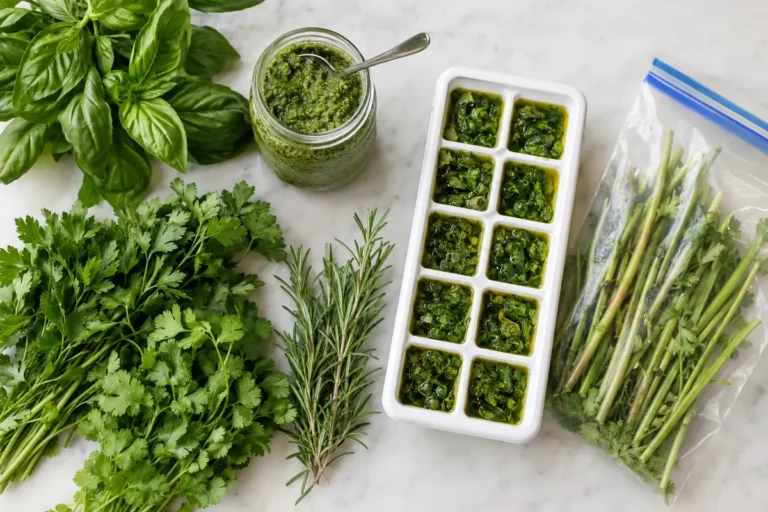
Freezing is the ultimate pause button. Fruits and vegetables can often be frozen at the peak of freshness, to be thawed and used later in everything from smoothies to soups, extending their life by months.
In Open Air and Sealed Containers
For many fruits, simply allowing them to breathe in a banana hanger or a fruit basket can be enough to keep them at their best. For other produce, from berries with a tendency toward mold to cut melon segments, ensure an airtight seal in the refrigerator.
Preservation Techniques for a Bountiful Future
When storage alone won't suffice, preservation techniques step in to expand the possibilities:
Freezing: The Cold Comfort of Longevity
Flash freezing can preserve the peak flavors and textures of fruits and vegetables. Properly stored, frozen produce can be kept for months without greatly compromising quality.
The Moment Heat Seals the Deal in Canning
Canning is a practical way to use heat and airtight containers to preserve veggies at home so we may enjoy their taste all year round. Ever since prehistoric times, canning has been used to preserve the flavors of summer!
Drying Out Danger of Dehydration
One efficient method to greatly extend the shelf life of food goods and produce delectable dried fruits as snacks or a key ingredient in recipes is to dehydrate them.
A Delicious Result of Pickling
Fermenting or submerging vegetables in an acidic solution—usually vinegar—is known as pickling. It gives pickled foods depth and tang in addition to preserving them.
The Craft of Ecological Food Preservation
Prevention of spoiling and sustainability go hand in hand. Our own frugal tendencies and the environment are honored when we appreciate the food we have. Among the sustainable fixes are:
Slashing Packaging Waste
Reusing containers or going with plastic-free storage choices like glass jars all help to create a better environment.
Composting and Regrowth
Rather than tossing spoiled produce in the trash, turning it into nutrient-rich compost or using scraps to regrow new plants is a perfect circle approach to food waste.
Smart Preparation and Storage
Ensuring that each banana in the bunch ripens in its own space and that no ethylene-sensitive fruits are crammed together reduces the potential for premature spoilage.
Innovations to the Rescue or Resources to Waste?
In this age of rapid technological advancements, there is no shortage of products and techniques designed to extend the life of our produce:
Ethylene Absorbers and Emitting Films
Companies are developing special films and containers that either absorb ethylene to slow down ripening or release it to accelerate the process for specific items, not too dissimilar from human-controlled environments in large-scale agriculture.
Refrigerators with Produce Preserving Crispers
Modern refrigerators feature special compartments designed specifically to store fruits and vegetables at their ideal freshness levels by controlling both temperature and humidity levels to preserve maximum produce freshness.
Natural Solutions
Research into antimicrobial and antifungal solutions derived from natural sources offers the potential for longer-lasting natural produce with a minimal carbon footprint.
Cultivating a Mindful Approach to our Culinary Treasures
Preventing spoilage doesn't stop at the door of the refrigerator but extends into our daily lives and community:
Making and Sharing Creative Food
Cooking creatively with what we have may lead to creative and tasty meals. Produce surplus may also be shared with neighbours or given to nearby food banks, therefore preventing both shortage and spoiling.
Weekly Inventory and Meal Planning
Planning meals around perishables and not overbuying need an understanding of what you possess, when it was purchased, and when it should be used.
Learning & Education All Life Long
Our culinary skills are maintained sharp and our recipes colorful by ongoing education on the food we purchase and how to preserve it.
Individual Actions' Ripple Effect
Every activity we do can raise awareness and encourage more environmentally friendly decisions:
Policy & Advocacy
Encouraging sustainable agriculture and lowering food waste may have a significant impact on the world scene.
Talking to Manufacturers and Retailers
Industry change may be pushed by purchases and conversations that support ethical behavior.
Food Purchase Sustainability
Purchasing organic, Fair Trade, or locally grown vegetables encourages moral farming methods and is often packaged less, which cuts waste right away.
The Digital Dimension: Leveraging Technology for Food Preservation
The intersection of technology and food preservation opens up innovative avenues for extending the life of perishable items. Smartphone applications now offer capabilities to track the freshness of your groceries, reminding you to consume items before they spoil. Additionally, internet-connected kitchen gadgets can monitor the condition of your food, adjusting temperatures in storage compartments dynamically to suit different types of produce. This digital layer not only simplifies the management of our food but also promotes a more conscious approach to consumption, potentiated by data and smart technology. By integrating these tools into our daily routines, we can significantly reduce waste, further contributing to sustainability and cost savings in our households.
Cultivating Community Through Conscious Consumption
Sustainability goes well beyond individual efforts and technological progress; its roots run deep through communities that join together to reduce waste and encourage food preservation. Community gardens, farmer's markets, and food co-ops play an essential part in creating an eco-conscious culture. Not only can these initiatives offer fresh produce from nearby farms to residents but they can also offer educational programs surrounding sustainable living practices and practices that encourage social responsibility. Communities across the globe have engaged in canning, fermenting and other preservation techniques through workshops to teach individuals to take an active part in managing their food consumption patterns. Not only did participating strengthen member bonds; collective action was shown to have substantial environmental benefits as a result.
Conclusion
Reducing fruit and vegetable waste is not just about kitchen convenience; it is integral to environmental preservation and sustainable living. From understanding what causes spoilage to creating storage strategies to reduce food waste, our hands hold all the power we need for significant impactful reduction.
However, though innovations exist that promise great things for our future, the most profound changes often result from simple daily practices with mindful awareness. By connecting more closely to what food we eat and the resources it required, we can enjoy its bounty without contributing to its destruction.
Food consumers and producers must come together as one in order to maintain an ecosystem in balance and harmony; we should all take responsibility and act like food preservationists - saving portions of planet Earth with each bite we take of banana ethylene gas!
Do you want to join our movement for food waste reduction? Share your best preservation tip or experience in the comments below or on social media; your words could encourage others to make positive steps toward a more flavorful and sustainable future. Your voice matters! Share it now so others may benefit!
Remember, the taste of this planet can be sweet, savory, and sustainable all at once.
Frequently asked questions
Should fruits and vegetables be washed before storage?
Most produce keeps longer when stored dry and washed just before use. Some leafy greens can be washed first if dried thoroughly and stored with controlled moisture.
Which fruits produce ethylene gas?
Apples, bananas, pears, peaches, avocados, and tomatoes are common ethylene producers, especially as they ripen.
Can onions and potatoes be stored together?
It is better to separate them. Both need airflow, and gases and moisture from one can shorten the storage life of the other.
Kitchen conditions and products vary. Follow manufacturer guidance and consult a qualified professional when safety or specialist work is involved.