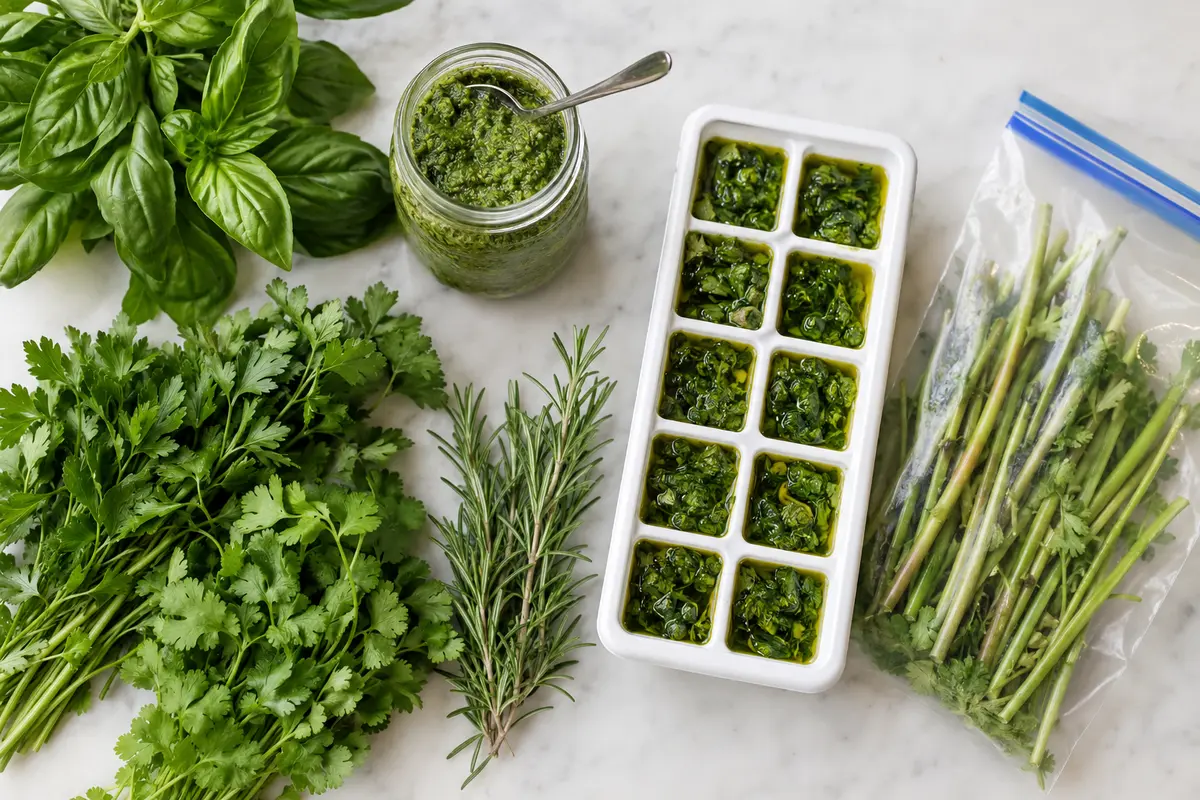
Fresh herbs can be turned into sauces, compound butter, flavored oil used promptly, stock bundles, salads, and freezer portions before they wilt. Discard slimy, moldy, or foul-smelling herbs.
For the kitchen-minded scions who treasure both taste and thrift, this is your guide to unlocking the sustainable secrets hidden in every bunch of basil, sprig of rosemary, or bouquet of coriander.
Here, we'll share an array of creative uses for those herbs that always seem to linger a little too long in the fridge, helping you appreciate their essence long beyond their initial purpose. The goal? To infuse your life with herby delight and to do so with the added boon of enhancing your culinary prowess.
The Value of Herbs and the Common Issue of Leftovers
Why Do We Value Herbs?
Before venturing into leftover herb redemption, it's essential that we first understand why herbs play such an integral part in food culture. Herbs add depth, dimension and freshness to dishes - not to mention accenting highlights within any culinary masterpiece; herbs make sure your culinary masterpiece stands out! After all, cooking should not only provide sustenance; its true purpose lies within creating sensory experiences as you create delicious culinary masterpieces with their colourful essence and vibrant elements such as aromatic spices.
The Conundrum of Leftover Herbs
Despite their potency, more often than not, herbs are sold in bunches that far exceed what a single recipe might need. The result? We use what we must and often forget about the rest, leading to a yearly heap of post-mealtime herb regret. It's a symptom of a larger issue — food waste — and one that deserves attention. We can start within our kitchens by respecting the herby heroes who bring so much to our tables.
Tips for Preserving Herbs
Ethylene-Conscious Storage
A common culprit of herb decay is ethylene, the natural gas that spurs ripening and can turn fresh herbs into mush. Storing your herbs properly, ideally in the crisper or a damp cloth in the refrigerator, can combat this process.
Freezing for Flavor Preservation
Freezing herbs can be a brilliant way to keep their flavour intact, especially for those more delicate varieties. Whether in water, broth, or even infusions, frozen herbs are a quick fix for any dish that craves that fresh twist, no matter the season.
Drying Techniques
For herbs like thyme, oregano, or rosemary, drying can be the key to preserving for the long haul. Hang them in a cool, dark place, or utilize the gentle heat of an oven for a more expedited approach. Once dry, store them in airtight containers, and they'll be ready whenever you are.
Herb-Infused Oils
A stylish way to keep your herbs at their best is to infuse them into oils. Whether to enhance a dish or for presentation, herb-infused oils can last weeks and are an excellent defence against wasted herbs.
Herb Butter Sensations
Think beyond toast — herb butter, or 'compound' butter, as they are called, is eminently versatile. Spread it on a sandwich, melt it over steak or mix a pat into your mashed potatoes - cheese spread makes an exceptional present that keeps giving.
Creating Herb Salts
Herb salts not only preserve the taste of the herbs but also enhance your seasoning collection with fascinating enhancements. They are stored for an extended period and can be used to bring life to any savoury dish.
Creative Recipes to Use Up Leftover Herbs
Greek Herbalicious Oil
Olive oil gets a resplendent, aromatic makeover with the addition of oregano, mint, and thyme. Use it as a dip, as part of a marinade, or drizzle it on a hearty salad for that wonderful Mediterranean touch.
Rosemary Lemon Compound Butter
Tangy and fragrant compound butter is the ideal complement to fish or chicken dishes or simply spread on crusty bread. Plus, its fresh scent will always add an elegant flair! Keep some at hand in order to elevate any meal or occasion! It stores well, too; always handy and ready for added class in any meal you prepare!
DIY Herb Salt Blends
Herb salts are the secret weapon seasonings every home cook should have in their arsenal. Whether it's a zesty lemon basil salt for seafood or a robust sage and garlic salt for meats, the uses are endless.
Unexpected Herb Usages
Herbal Retreat with Cocktails
Herbs are stars behind the bar as well. A sprig of rosemary standing at attention in a smoky whiskey concoction or the sweet surrender of a basil-scented gin and tonic — herbs can take your mixology to new, intoxicating heights.
Sweet Infusions with Herb-Infused Honey
Think of a breeze of lavender in your morning cup of tea or a spoonful of thyme honey to transform a slice of fresh bread. Herb-infused honey is the perfectly sweet liaison between the savoury garden and your pantry sweets.
Herb-Infused Beauty Products
The connection between kitchen and personal care deepens when you realize that leftover herbs can grace your body as well. From chamomile lotions to peppermint bath soaks, DIY herbal beauty products can pamper your skin with the essence of nature.
Making A Delicious Difference
Incorporating the art of herb preservation and utilizing leftovers isn't only about optimizing your culinary toolbox; it’s also an act of conscious cooking, a small yet significant way to reduce your eco-footprint. By following these tips and recipes, you craft more than delicious dishes; you create a community of mindful cooks who value every crumb and pinch, from root to leaf.
Reframing how we perceive the 'end' of our herbs' journeys can inspire a profound change, and it starts with you. The next time you find yourself with a bouquet of basil or a bundle of dill, see beyond the fading green and envision the palette of possibilities you hold in your hands.
It's time to harness the art of herbal alchemy, turning what once was into an endless array of what can be. And remember, every herb saved is a dash of magic yet to be discovered in your culinary adventures.
The Joy of Herbal Teas
Not to be overlooked, herbal tea is an enduring tradition with both flavorful and health benefits that cannot be neglected. From mint, chamomile and lemongrass - among many others- dried and steeped into soothing beverages to aid digestion or promote relaxation, the process of creating herbal teas from leftover herbs can be found delightfully rewarding- turning what once could have been waste into treasured warming cups of wellness!
Reinventing the Herb Garden
Even small spaces can become havens for herbs, providing an opportunity for their growth, use and regeneration that embodies sustainable living principles. Container gardens, window boxes or hydroponic systems offer those with limited outdoor space a fantastic way to grow a collection of culinary and medicinal herbs for personal use. Engaging with soil, tending seedlings, and watching herbs thrive can be both relaxing and fulfilling - creating an intimate connection between you and the food you prepare and consume.
Hands-on herb gardening not only ensures a reliable supply of fresh herbs but also encourages you to continue exploring all that they provide in culinary creations. By including herb gardening into your routine, you contribute towards greening our planet while simultaneously cultivating more mindful kitchen practices, with each dish honouring and celebrating life's cycle and celebration in its preparation.
Crafting Herbal Vinegars
Steeping herbs in vinegar is another exciting method for capturing their essence, not only prolonging shelf life but also adding an irresistibly zesty flair to culinary creations. Apple cider vinegar, with its mild sweetness, pairs nicely with herbs such as rosemary, thyme, or oregano, creating an ideal ingredient suitable for salad dressings, marinades, and sauces as an exotic touch! Simply fill a clean jar with fresh herbs, then cover them in vinegar before leaving it to sit, infusing over time - the process should only take weeks! The result is a beautifully aromatic condiment that brings a touch of herbal magic to your meals, ensuring that no herb goes unused in your kitchen.
Innovative Herbal Ice Cubes
Transform the way you think about ice with this simple yet revolutionary idea: herbal ice cubes. Frozen herbs in ice cube trays containing either water or olive oil create instantaneous flavour boosters perfect for summer beverages, sauteing vegetables and quickly adding herbal infusion to soups and stews. Try pairing basil cubes with tomato juice cubes to quickly create Bloody Marys, or freeze lemon balm cubes into lemonade for a refreshing twist in iced tea drinks - not only does this method preserve herbs for use later, but it provides creative ways to incorporate them into daily food- and drink- making practices as well.
The Herbal Alchemy Legacy
Herbs play an indispensable part in culinary art, elevating ordinary meals into unforgettable experiences. By employing innovative approaches such as herb-infused salts and honey, herbal vinegar and ice cubes, and infusing food, drinks, and beauty routines with their vibrant flavours and aromas, we unleash their potential and unlock their true value as culinary arts elements.
Engaging in the practices of growing, preserving and using herbs creatively not only adds variety to our cooking but also brings us closer to nature through sustainable lifestyle habits that respect its cycles of renewal and growth. By adopting such techniques into daily life, we pay our respects to an ancient heritage while making certain its legacy thrives in kitchens and gardens across America.
As we close out this herbal journey, keep this in mind: each mint sprig, basil leaf and a pinch of rosemary contains infinite culinary potential waiting to be unlocked. Utilizing and preserving herbs is a testament to creativity and mindfulness when cooking--an act which celebrates flavours while being responsible for our ecosystems.
Frequently asked questions
Can fresh herbs be frozen?
Yes. Chop and freeze them in small portions with water or oil suited to the future recipe, then keep them frozen in a sealed container.
How do I know when herbs should be discarded?
Discard herbs with mold, slime, a rotten odor, or extensive decay. Wilted but otherwise sound herbs may still work in cooked dishes.
Which herbs are best for drying?
Sturdy, lower-moisture herbs such as rosemary, thyme, oregano, and sage generally dry more successfully than delicate basil or cilantro.
Kitchen conditions and products vary. Follow manufacturer guidance and consult a qualified professional when safety or specialist work is involved.