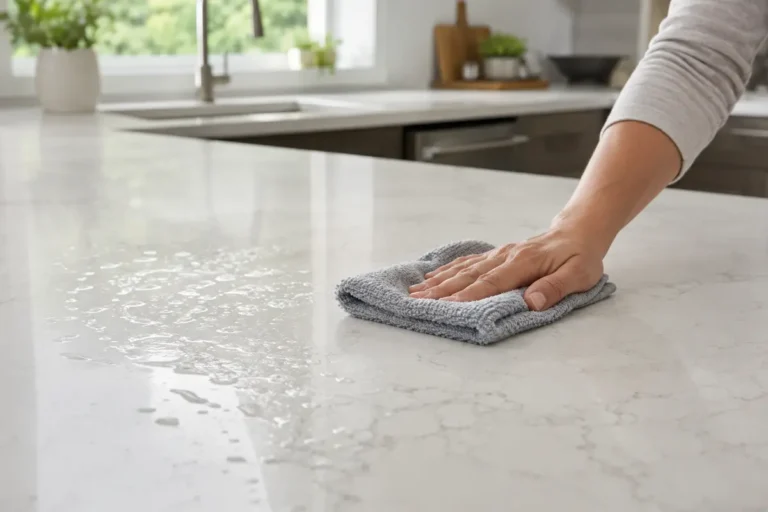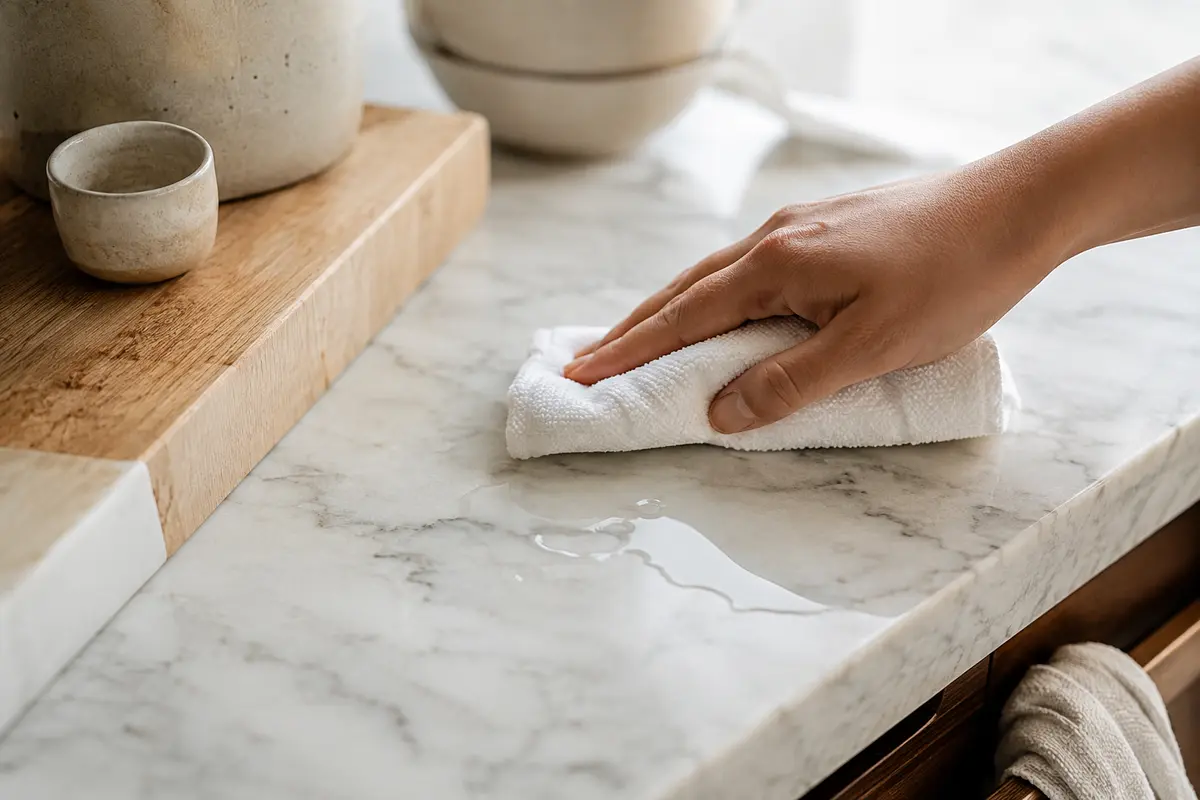
Marble is porous and acid-sensitive. Lemon, vinegar, wine, and some cleaners can etch the surface even when the stone is sealed, so prevention and fast blotting matter.
The Importance of Marble Countertops in Home Aesthetics
A kitchen is much more than an operational space. It's the center of a home in which memories are created as meals are shared and conversations last. For this reason, countertops don't simply serve as an object but as an ideal stage for these occasions. Marble adds a touch of timeless luxury to kitchen design. Being a metamorphic stone that is formed by the crystallization of limestone, every slab of Marble is an artifact of nature with distinctive patterns and colors that tell the story of its creation.
Selecting Marble transcends fashion. It's an enduring choice that will increase the worth of your house. The initial investment for Marble is an obligation to long-term maintenance. This commitment guarantees your marble counters remain the envy of your visitors.
Why Selecting Marble?
Before beginning to tackle maintenance, it is important to comprehend why many homeowners love Marble. There are a handful of factors:
Benefits of Marble Countertops
Aesthetic Appeal: No synthetic material could ever match Marble's timeless and captivating beauty and elegance as an aesthetic feature in its entirety.
Cool Note: The Marble is a superb heat conductor, which makes it ideal for bakers.
Improved Value of Home Marble is a premium material that buyers find attractive, which could increase the resale value of the home you live in.
Care and maintenance: If taken care of Marble is able to last an entire lifetime, and possibly even longer.
Common Types of Marble
For countertops in kitchens, not every marble is made equal. Below are some of the most popular varieties:
Carrara Marble: Known for its blue-gray to white background and its fine lines of feathery veining.
Calacatta Marble: A premium choice with more vibrant veining as well as a white background, typically more striking in appearance.
Statuario Marble: It is an exclusive, high-end variety with a glossy white surface and unique gold or gray veining that creates a luxurious aesthetic. Ideal for creating luxurious looks.
Choose a countertop material that satisfies both aesthetic preferences and durability needs of your kitchen environment.
Maintenance Tips for Marble Countertops
Now we will discuss in more depth how Marble should be preserved at its finest condition.
Daily Cleaning Routines
An effective daily stone-cleaning regimen involves using either a soft cloth or sponge soaked with mild dish soap and warm water solution for effective stone care. Be wary of harsh or abrasive cleaners which could scratch its surface over time; repetitive lemon or vinegar cleaning sessions must also be discouraged in order to stop scratching of surfaces by acids such as lemon juice.
Stain Removal Techniques
Kitchen stones may be part of the kitchen environment, but that doesn't have to be their permanent place in it. Take swift action with these strategies:
Blot any spill immediately: Use an old towel or clean cloth to absorb liquid that spills.
Create a Poultice from Flour and Cleaners Using flour mixed with cleaners is safe for marble surfaces while being effective at dispensing deeper staining, so place this homemade poultice directly over any stain, wrapping it in plastic wrap before taping its edges together for at least 24 hours before taking away from its intended use.
Oil-based stain removal: Create a paste using baking soda and water by mixing these two together into a paste form, spreading over the affected area for at least 24 days, and covering it with a plastic sheet. After taking it down, take off the covering, remove the paste from the skin by washing it with water, and then replace the cover again as soon as necessary.
Sealing Recommendations
The process of sealing your marble counters isn't a once-in-a-lifetime task. It's an ongoing part of maintenance and should be performed each year, at minimum or more, depending on the use. Sealing prevents deep stains because it reduces the porosity of the Marble. If you want to determine if your marble requires sealing, put a couple of drops of water over the stone. If it doesn't dribble and does not absorb, the seal is nevertheless good. If it is absorbed quickly, then it's time to seal again.
Preventive Care for Marble Counters
Prevention is more than a pound cure, especially in the case of Marble.
Heat and Scratch Protection
Marble countertops can withstand heat without being completely heat resistant; trivets and hot pads should be used as protection from hot pans and pots that could scorch them; cutting boards can help avoid scratching when cooking food, so use trivets/hot pads where appropriate to protect the countertop surface from scorching hot items like pans/pots, etc.
Proper Handling and Cleaning Tools
If you are cleaning your home regularly, opt for gentle cotton or microfiber cloths. If you have more difficult messes to clean, choose an un-abrasive sponge. Do not use abrasive scrubbing pads or cleaners that could harm the surfaces.
Professional Maintenance
You should consider having a professional polish and reseal each year for a better maintenance strategy. Also, an expert can polish the Marble to get rid of scratches and then restore the initial appearance in the event that it gets excessively dull or scratched.
DIY Solutions for Marble Care
If you're a proactive homeowner, DIY options can provide a cost-effective and efficient method of maintaining the marble counters.
Homemade Cleaning Remedies
If you would prefer using natural ingredients, you can make a vinegar solution that will keep your Marble sparkling; however, use it only with caution and only in a dilute type. Combine one cup of white vinegar and three portions of water. This should, however, be only used occasionally as the vinegar's mild acid could eventually cause etching on the surface after a prolonged period of use.
DIY Polish and Restoration Techniques
To remove minor scratches or rough spots, it is possible to smooth your Marble with common household tools.
Polish using Baking Soda. Mix 3 tablespoons of baking soda and 1 quarter cup of water. Spread the mixture on the area and rub it gently using circular movement. Clean the residue with the help of a damp, clean cloth, then let it dry thoroughly.
Restoring Shine using Corn Starch Make an emulsion of water and the corn starch, or Whiting (calcium carbonate) in equal amounts. Apply the paste to rough areas, and allow it to rest for several hours up to a few days. Remove the paste using an emollient cloth, and rub the areas dry.
DIY solutions are great when dealing with small issues. However, for more serious issues, you should consult with an expert.
When you think about the addition of Marble to your house, take a look at the pros and cons with care. Marble's unique appeal can't be understated. However, the possibility of wear and tear means it's not the ideal choice for everyone's way of life.
Lifestyle Considerations for Marble Surfaces
Marble's porous nature leaves it vulnerable to absorbing moisture and forming stains when not maintained properly, meaning families with children or frequent kitchen activities require extra consideration and may require special consideration when taking care of this surface material.
Matching Marble to Your Home's Needs
If the aesthetic appeal of Marble but its maintenance requirements are worrying you, perhaps quartzite or quartz are viable alternatives that provide similar aesthetic appeal while being much harder-wearing and low-maintenance options. Both materials offer similar aesthetic qualities but with longer durability and less upkeep needed for upkeep.
Installing Marble in Low-Traffic Areas
To maximize the advantages of Marble while also minimizing its disadvantages, consider the placement. Marble is more suited to spaces like bathrooms for guests or areas that do not have a lot of usage.
Educating Your Household
Make sure that your family members have a basic understanding of marble maintenance. Informing everyone of the must-knows and don'ts could help in the longevity of your countertops.
If you are aware of the entire range of needs for Marble and its elegance, you'll be able to make the right decision regarding where to place it and appreciate its timeless beauty over the years.
Marble's Environmental and Health Considerations
Apart from the aesthetics and care in addition to aesthetics and maintenance, you should take into consideration the health and environmental consequences of selecting Marble for your house. Marble and other natural stones typically originate from quarries. These could have an enormous environmental impact. This includes environmental destruction as well as water pollution. With sustainable sourcing as well as advances in the restoration of quarry sites, it is possible to reduce the negative impact. Diminished.
Sustainable Sourcing: Choose marble that comes from quarries adhering to stringent environmental and restoration methods.
High-Quality Indoor Air: Marble is an environmentally-friendly natural stone material that does not emit VOCs (Volatile Organic Compounds), helping maintain high indoor air quality. Sealants used on marble should adhere to low or no VOC levels so as to safeguard family health.
Recycling old Marble Take a look at the potential of recycling old marble in order to lessen consumption. Scraps of Marble can be transformed into beautiful mosaics, decorative pieces, or coasters.
By making informed decisions about Marble, people can take pleasure in the beautiful natural stone while being mindful of their ecological footprint as well as safety standards.
Conclusion
The timeless appeal of Marble within your house might seem like an overwhelming undertaking, but thanks to this article, you're prepared to make it a manageable and enjoyable process. Beginning with understanding the reason for choosing your marble and the implementation of daily and long-term routine maintenance, your marble countertops will continue to be an emblem of class and elegance in your house.
It's crucial to understand that, just like everything else worth having, marble countertops also require some utmost care and consideration. By taking care of handling, frequent cleaning, and prompt preventative steps, you will be able to ensure that your countertops remain just as stunning as they were the moment they were laid. Enjoy the natural beauty and beauty of your counters made from Marble and be content with their long-lasting durability and the cost they offer. Your commitment will not just protect the appearance of your room but motivate others to search for similar beauty and durability in their homes.
Frequently asked questions
Can etching be cleaned off marble?
Etching is surface damage, not a stain. Light etching may need polishing; deep or widespread damage is best assessed by a stone professional.
Can baking soda be used on marble?
It can be abrasive and alkaline. Do not use it routinely unless the fabricator or stone-care product instructions specifically approve it.
How often should marble be sealed?
Use the fabricator or sealer maker's guidance and test the surface rather than following a universal calendar.
Kitchen conditions and products vary. Follow manufacturer guidance and consult a qualified professional when safety or specialist work is involved.