Stone stains need the right treatment for both the stone and the staining material. Quartz is engineered, not natural stone, and etching on marble is different from a removable stain.
In this comprehensive guide, we'll show all the ways homeowners, DIY-minded individuals, interior designers, and more can restore natural stones back to their original beauty. Not only will this cover how to remove any stains caused by natural stones, but we will also offer tips and professional strategies for maintaining beautiful countertops throughout your home.
The Significance of Maintenance
Natural stone countertops should last a lifetime with proper care and maintenance; however, staining can diminish their beauty as well as weaken or damage them if left to accumulate unchecked.
Proper maintenance of natural stone surfaces such as slate is critical for their structural and aesthetic value, especially given their porous composition, which exposes them to stain penetration if not regularly sealed and cared for according to manufacturer recommendations. Proper care must, therefore, be exercised in maintaining these surfaces to preserve both their beauty and value over time.
The Array of Natural Stone
In the process of selecting the perfect countertop for you, different natural stone choices are endless. Each type of stone comes with distinctive properties, grains, patterns, and care guidelines.
Granite: Durable and Diverse
Granite is widely known for its hardiness and resistance to heat, making it the go-to material among homeowners. Its wide array of patterns and colors add flair and character to bathroom and kitchen settings alike; however, acid etching stains do have limits that could eventually compromise its surface.
Marble: Timeless Elegance
Marble countertops exude luxury and elegance, boasting breathtaking veined beauty that makes a lasting statement about its creator's status. While smaller in density than granite, its durability remains undiminished - although its porousness might make it susceptible to staining by acidic liquids such as wine or lemon juice.
Quartz: Engineered Excellence
Quartz countertops provide an economical option with a natural stone-like aesthetic and feel but without its inherent porosity. Engineered stone is resistant to staining effectively; however, some substances could stain it if left lingering unclean for extended periods.
Identifying and Addressing Common Stains
Knowing the causes of staining is the first step to getting rid of them. This article will provide a list of typical stains and the ways in which you can fight these.
Food Stains
The coffee, the berries, and the wine can create a residue of pigment on the countertops. They are usually not very difficult to eliminate. However, they might require different techniques based on the kind of stone.
Oil and Grease
Greases and oils from the kitchen can be very stubborn. They can darken the stone when they come into contact with it, which makes them appear more obvious and difficult to get rid of because they absorb the stone with time.
Watermarks and Rings
Mineral deposits caused by the hard water, as well as simple water rings, could make the surface of countertops dull. The marks appear as a result of the stone's reaction to exposure to water. These marks are usually removed by polishing.
Rust Stains
The iron-rich minerals found on unsealed or extremely porous stone may cause rust-colored staining. The removal of rust stains is a delicate procedure, as harsh cleaning may cause further damage to the stone's surface.
DIY Solutions for Stubborn Stains
Sometimes, a light touch of homemade cleanser can do wonders. These are a few easy and useful DIY methods to tackle those blemishes that are difficult to remove.
Baking Soda Paste
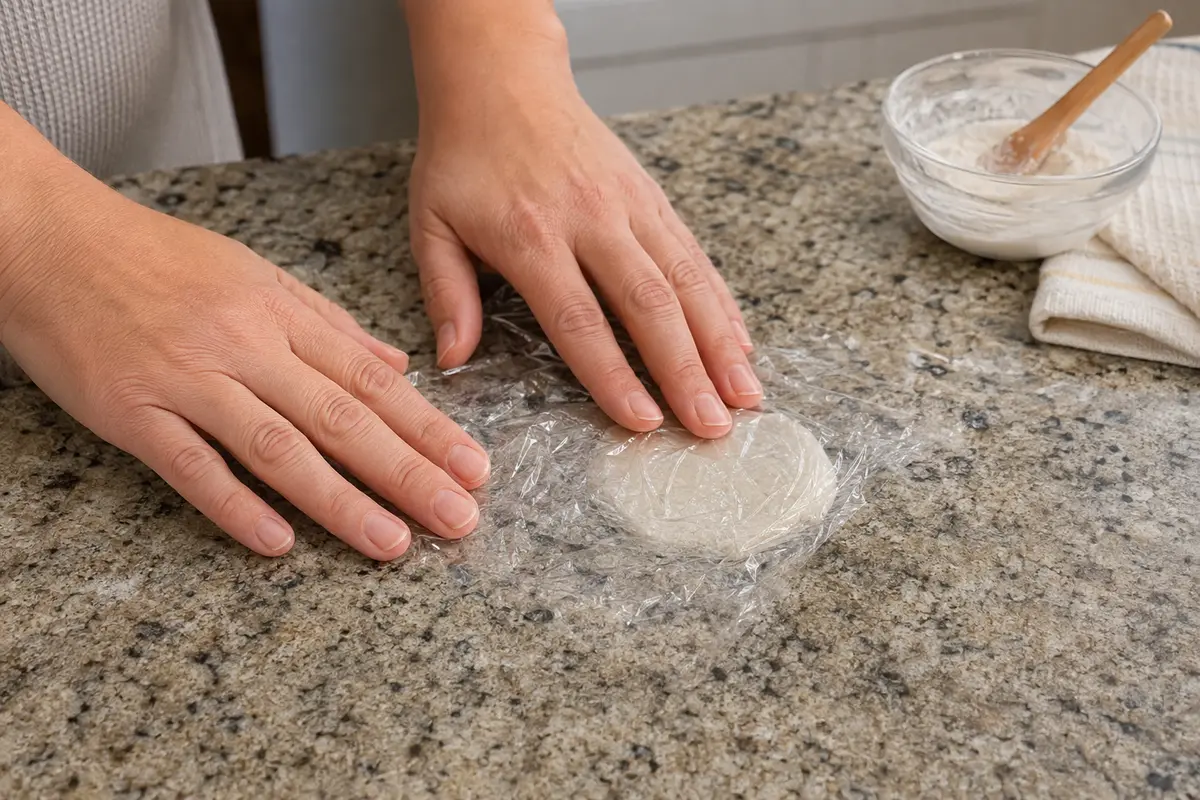
Mixing baking soda and water to create an emulsion can assist in lifting staining off the stone. Place the paste on the affected region, then leave it for several hours, after which you can gently scrub the area and wash it.
Hydrogen Peroxide for Organic Stains
The stains from foods are often regarded as organic. A small amount of hydrogen peroxide could be utilized to remove the stains, especially when paired with sunlight, to create a natural bleaching effect.
Dish Soap and Warm Water
If you want to clean more frequently and with light stains, the mixture of mild dish soap and hot water may be applied using the help of a soft cloth. The majority of staining can be gotten rid of through a simple scrubbing process using the mixture.
Seeking Professional Cleaning Services
If the stain is severe or you're not sure of the ideal cleaning strategy that will work best for your particular stone, Professional assistance can provide security and better results.
Professional stone cleaning professionals can access the most advanced techniques for cleaning as well as specialized products. They do not just remove the most difficult of stains but make sure that they do not damage the surface of your counters.
The Professional Process
When assessing the staining and type of stone, specialists can decide on the right method of treatment that may involve extensive cleaning, honing, or sealing. It is the result of one that's not just sparkling but also restored to its original beauty.
Preventative Maintenance: The Key to Longevity
Preventative maintenance of natural stone surfaces is vital. Stains should be prevented at their source to preserve them for longer and keep these surfaces looking like new.
Sealing Regularly
Sealants create an impenetrable shield between liquids and your countertop surface that helps reduce its porous nature, so sealing as often as recommended is crucial to keeping its finish looking its best and prolonging its durability.
Daily Cleaning
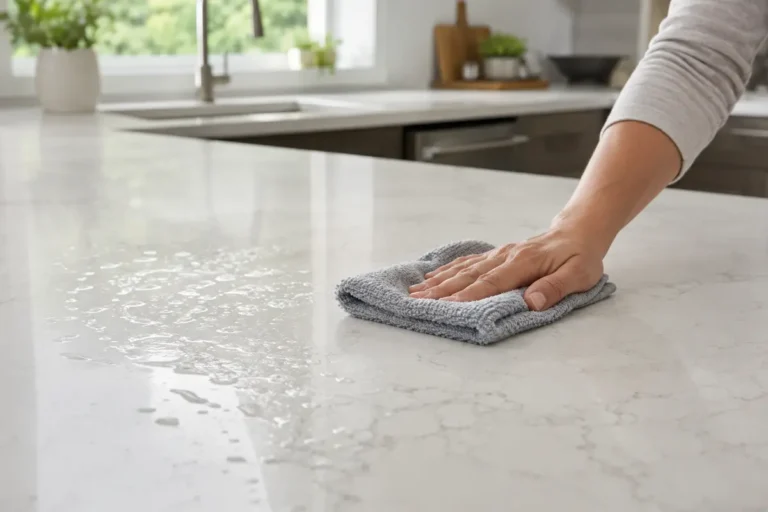
Setting regular daily cleaning habits will go far towards keeping away the accumulation of chemicals that could otherwise stain surfaces. Use non-acidic cleaners with warm water as the medium for effective daily cleansing or even just cloth and sponge to complete this task.
Avoiding Harsh Chemicals and Substances
Acidic or abrasive cleaners may damage natural stone surfaces while stripping away sealants that protect them, so use caution with any aggressive cleaners, such as acidic chemicals or scrubbers, when used on natural stones.
Visualizing the Transformation: Case Studies
Nothing can increase confidence in a procedure as much as seeing the outcomes. Visual demonstrations using case studies or before and after illustrations can give tangible evidence of the efficiency of the methods for removing stains.
Before and After: Oil Stain on Granite
An oil stain on granite may seem daunting at first, but with proper technique, it can easily be erased to reveal its stunning beauty once more.
Wine Stain on Marble: From Crisis to Clean
The spillage of wine onto marble does not have to be a tragedy. When you react quickly and use the correct cleaning techniques, marble can be brought back to its original state.
Inking Out Ink Stains
Pen ink spills on lighter-colored stones can be the cause of great anxiety. Should an accidental stain appear, the response must be swift: on granite surfaces, a poultice of isopropyl alcohol could be applied and left overnight before washing off, then repeated as necessary with hydrogen peroxide as appropriate for marble's lighter hue. However, different stones require special solutions in order to prevent discoloration from taking hold.
The Role of Professional Refinishing
Even with all the effort put into the cleaning process and removal of stains, Countertops can show evidence of wear or scratching. Refinishing your countertops professionally is a must. Highly trained professionals can apply the resurfacing process that does not just take out stubborn stains but can also repair scratches and etches, which gives your countertops a fresh start.
Long-Term Care and Maintenance Strategies
Alongside the immediate removal of stains and expert finishing, taking care of long-term maintenance and routine maintenance is essential for maintaining the beauty and integrity of your countertop. Regular attention to maintenance ensures long-lasting durability and also extends countertops' lifespan significantly.
Knowing Your Stone
Being aware of the type of stone that you've got is the first step toward taking care of it properly. Every stone is unique and has distinct particular characteristics and requirements for maintenance. To maintain the beauty of your countertop, become familiar with its requirements.
Protective Measures
Place coasters on all glasses and glasses that have drinks such as citrus juices or alcohol, and set hot food in mats or trivets in lieu of placing them directly on the surface of the stone to stop thermal shock from occurring and cracks.
Immediate Action on Spills
Spills must be cleaned up quickly to prevent staining. This is especially important in the case of more susceptible stones such as marble, limestone, and Sandstone. Blot any spills with an unclean newspaper towel rather than wiping it away to prevent spreading.
Implementing these easy-to-follow habits as part of your everyday routine could ensure that your countertops appear as fresh as they have been throughout the years. By combining immediate cleaning, careful usage, regularly scheduled maintenance, and a few professional touches, the stone countertops will remain an elegant and elegant focal point of your house.
The Value of Routine Inspections
Regular inspections conducted by stone experts can assist in detecting potential areas requiring maintenance before they become serious problems. When these inspections take place, experts are able to inspect sealant integrity as well as crack or etching signs and offer immediate remedies that could save costly repairs while prolonging its condition over time. Regularly scheduled maintenance will extend its lifespan while keeping its elegance and beauty evident within your home.
The Final Polish: Why It All Matters
Maintaining natural granite countertops in your home requires regular care and upkeep, in particular with regard to stain removal. Staying aware of ways you can prevent or mitigate their accumulation will not only enhance their beauty but also extend their value over time.
As we've explored different methods to remove stains, from DIY methods that provide gentle solutions and professional options to take preventive steps for maintaining our kitchens, we have learned the significance of being proactive about maintenance for the long-term enjoyment of natural granite countertops. By following these tips and guidelines, you will continue to experience their splendor!
Natural stone countertops offer quality and style throughout their home. When treated carefully, natural stone surfaces will shine without unsightly flaws that compromise their beauty.
Persistence and taking an effective approach will be your greatest allies when cleaning natural stone surfaces, protecting their integrity while increasing their visual impact in your house.
Frequently asked questions
What is a stone poultice?
It is an absorbent paste designed to draw certain stains from porous stone. The ingredients must be compatible with both the stone and stain.
Is quartz a natural stone countertop?
Engineered quartz contains mineral quartz mixed with resins and pigments, so its care differs from granite, marble, and other natural slabs.
Is a dull spot on marble a stain?
Often it is acid etching rather than a stain. Cleaning will not reverse lost polish; refinishing may be needed.
Kitchen conditions and products vary. Follow manufacturer guidance and consult a qualified professional when safety or specialist work is involved.