Kitchen flooring fails when grit scratches the finish or water reaches seams and subfloors. The right cleaner and moisture level depend on the material and manufacturer.
An Important Story About Kitchen Floor Care
With the right care and maintenance, picture hardwood floors glowing with varnish or ceramic tiles creating a sophisticated backdrop for your culinary experiences that will last for years. Over time, improper care and maintenance of these surfaces may greatly reduce their visual appeal or cause more serious problems such warping, mould growth, or structural damage to your kitchen flooring system.
Like leaving a heartfelt love note in your kitchen, maintenance guarantees durability, maintains the highest standards of hygiene, and protects one of your home's main visual assets. Regular maintenance also raises its market value.
Exploring the Kitchen Floor Palette
Before providing maintenance tips, let's first explore the wide variety of flooring choices found in kitchens.
Tiles
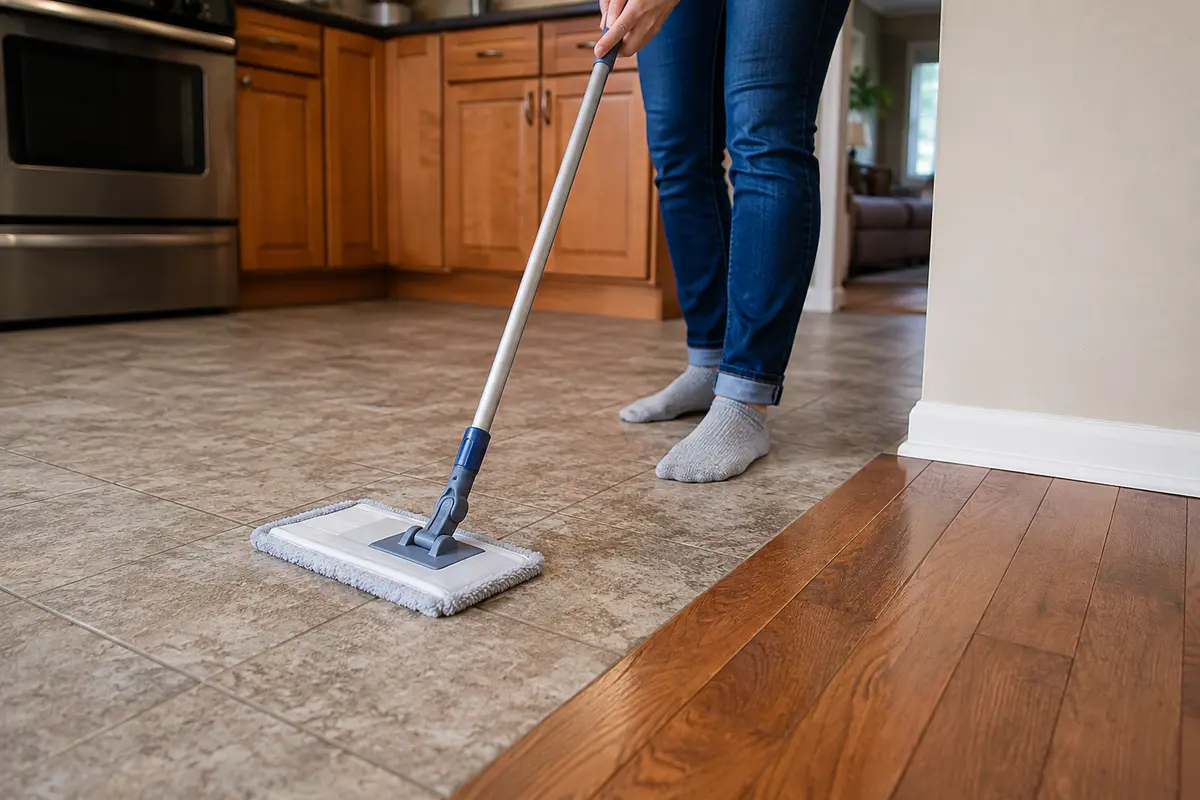
Durable and versatile tiles make great kitchen surfaces. However, their grout can become a breeding ground for grime over time and requires special care in order to stay looking its best.
Hardwood
The ultimate in kitchen design, hardwood floors make a room feel warm and welcoming. But to stop warping and discoloration over time, these priceless flooring need to be maintained dry.
Laminate
Easy to install and moderately durable, laminate is a budget-friendly favourite that resembles hardwood. Reducing scratches and keeping its shine require regular maintenance of its protective coating.
Vinyl
Vinyl flooring offers resilience and water resistance that are suitable for kitchen environments. Regular maintenance will extend its longevity. Protect from heavy wear with regular cleaning to preserve its good looks for years.
In-Depth Look at Maintenance Advice
Maintenance needs to be customised to the particulars of your flooring. Let's dissect the maintenance needs of every kind of flooring.
Tiles: Putting Grout in Focus
Regarding the Grout:
- Sweep and mop often with the pH-neutral cleanser to keep surfaces clean and avoid discolouration.
- Baking soda mixed with water and applied gently can often do the trick of treating stubborn stains. When combined, they make for an excellent stain remover solution!
Tiles Themselves:
- Use mats at entryways to reduce tracking of dirt and prevent scratches from sand and pebbles.
- A vinegar and water solution for regular cleaning. Avoid harsh acids or abrasives that can etch the surface.
Hardwood: A Class of Tradition
Regular Care:
- Daily sweeping to remove dirt and debris. Consider a microfiber broom to avoid scratches.
- Weekly mopping with a damp—not wet—mop to maintain a polished appearance.
Periodic Maintenance:
- Install a water-proof sealant every few years to safeguard wood against moisture intrusion.
- Refinish your floors every 8-10 years or when their sealant begins showing signs of wear.
Laminate: Balancing Act
Daily Practices:
- Use a soft-bristled broom or a vacuum cleaner with a hard-surface attachment to clear dust and dirt.
- For paw prints and sticky areas, damp mop with a laminate floor cleaner.
Care Conservation:
- Steam mop never use as they might harm the laminate boards.
- Put under furniture legs guards to prevent scratches during moving.
Vinyl: Resilience Refined
Standard Care:
- For shine, sweep often and mop occasionally with a cleaner that the manufacturer recommends.
- Deal with spills and stains promptly to prevent discoloration or damage to the protective layer.
Protective Measures
- Location-appropriate area rugs will help minimize wear and tear and extend their useful life, thus helping reduce wear-and-tear damages and extend useful lives.
- Use of blinds or drapes will help to protect floors from direct sunlight and lessen fading from UV radiation from sunshine.
Proactively Protect Your Kitchen Floor
Key is preventative maintenance. Use these tips to save your appliances from wearing out needlessly.
Invest in Rugs and Mats
Positioning rugs at key areas like the sink, stove, and entrances can trap dirt, absorb spills, and reduce the impact of foot traffic.
Furniture Pads
Placing self-adhesive pads beneath chairs and tables can help avoid unsightly scratches that occur when moving furniture around.
Regular Inspections will help protect against corrosion
Check often for damage, loosened joints, or grout gaps. Early detection of problems can help them to not become worse.
Embracing DIY for a Personal Touch
These inexpensive tips will help the do-it-yourself enthusiast maintain shiny kitchen floors.
Make Your Own Cleaners
Create effective DIY cleaners using common household ingredients such as vinegar, rubbing alcohol, and lemon juice to maintain floors quickly without incurring additional expenses.
Steam Cleaning for Environmental-Friendliness
Steam cleaners offer eco-friendly floor care by non-toxically sanitizing and disinfecting floors without using harsh chemicals that could ruin them.
Professional Services Provide Peace of Mind When Needed
Despite the attraction of do-it-yourself projects, maintenance services should always be handled by experts.
Deep Cleaning
Expert deep cleanings can restore broken grout or dull laminate floors.
Refinishing
Professional refinishing services can bring your hardwood floors back to their former beauty and elegance if they have over time chipped or scraped or had their colour faded from use.
Repairs
Treat small problems before they become larger ones to protect your investment and provide your family and yourself piece of mind.
Seasonal Considerations for Kitchen Floor Care
The needs for routinely cleaning your kitchen floor vary with the seasons. Here are some seasonal advice to keep your flooring looking great all year round.
Spring and Summer:
The warmer months might mean higher humidity and moisture levels. Watch out for spills and leaks, particularly if you entertain more frequently and consume seasonal fruits and drinks that can leave sticky stains. The secret to avoiding fading is also to shield your floor from too much sunshine.
Fall and Winter:
It's critical to control the dirt and moisture tracked into your kitchen during colder months of rain and snow. Heavier foot traffic from holiday gatherings means more frequent cleaning may be necessary. Consider increasing the use of mats or runners in your kitchen to deal with this seasonal challenge.
By adapting your maintenance routine to the rhythms of the seasons, you can ensure your kitchen floor remains a steadfast backdrop to your home's ever-evolving story.
The Role of Color in Kitchen Floor Care
While maintenance practices are critical, the choice of color in your kitchen flooring can also influence its care regimen. Here's how to marry aesthetics with practicality.
Light-Colored Flooring:
Lighter-coloured floors can bring life and brightness to your kitchen space, creating an airy ambience. However, they may be less forgiving of spills:
- Use only cleaners that won't diminish the color quality or leave behind residues in order to prolong their vibrancy and avoid leaving unsightly streaks or marks behind.
- Prompt attention must be paid to stains and spills if permanent discoloration is to be prevented.
Dark-Colored Flooring:
Dark floors offer a dramatic contrast and can hide dirt well. They often require:
- Regular dusting, as dust and lint, are more visible on dark surfaces.
- Care should be taken when selecting cleaning products so as to prevent an unsightly build-up that may alter its rich hue and take away from its beauty.
By choosing an ideal color and keeping up with proper maintenance practices, your kitchen floors will always look tidy and stylish despite any challenges they might pose.
An Overview of Non-Abrasive Cleaners
When selecting cleaning products for your kitchen floor, it's essential that non-abrasive cleaners be chosen so as to preserve their finish and avoid further damage.
Consider the following:
- Opt for pH-neutral solutions that are gentle on all types of kitchen flooring materials.
- Avoid harsh chemicals, which could potentially strip away sealants or cause dulling over time.
- As soon as they were done, tucked up tightly inside.
Implementing an extensive cleaning regimen for your kitchen flooring will not only extend its lifespan but will keep it looking its best over time.
Stressing Eco-Friendly Practices
Implementing eco-friendly practices into your kitchen floor care regimen is beneficial not only to the planet but also to you and your household's overall well-being. Here's how going green can keep your floors spotless:
- Consider Eco-Friendly Cleaning Solutions: When purchasing or creating eco-friendly cleaning products, take into consideration green certification or creating your own using ingredients such as baking soda, essential oils, and castile soap.
- Sustainable Tools: For effective cleaning tasks, sustainable tools like microfiber mops and cloths with non-disposable pads offer greater efficiency.
- Water Conservation: Be mindful of water. Mopping should only use enough liquid for effective cleaning; too much could damage certain flooring types.
Adopting sustainable kitchen practices helps lower carbon emissions while creating an inviting cooking space.
Are You Implementing a Scheduled Cleaning Plan and What are Its Benefits?
Assembling an effective cleaning schedule can have a dramatic impact on both the appearance and longevity of your kitchen floor.
Here's why implementing such a schedule is necessary:
- Consistent Cleanliness: Regular cleaning helps prevent the build-up of dirt and grime that becomes increasingly more difficult to get rid of over time.
- Long-Term Preservation: Through consistent floor maintenance, you can reduce wear and tear on your surface, prolonging its look and function into the future.
- Time Efficiency: Doing some preventive maintenance each day and week could save you from longer, more laborious cleaning sessions later on.
Keep your kitchen floors looking their best by creating a cleaning schedule tailored specifically to the rhythms and needs of your household and your flooring material.
Conclusion: A Deliberate Kitchen Floor Care Practice Leaves an Impressive Impression
Maintaining your kitchen floor properly is the unsung hero, providing the foundation of an appealing space in which to cook and host guests. By investing the appropriate care into it, your floor can reflect both aesthetics and functionality within your home's core.
Remember, consistency is the cornerstone of successful flooring maintenance. Establish a cleaning routine, employ protective measures, and address issues promptly to enjoy a kitchen floor that does more than just support your daily life—it elevates your space to its fullest potential.
Armed with these maintenance tips, you are ready to embark on an incredible journey where love for your kitchen shows in the shine and longevity of its flooring. When cooking meals with loved ones or hosting dinner parties, let your floor serve as proof that every detail in your home has been meticulously cared for!
Frequently asked questions
Can I steam-clean a kitchen floor?
Only if the flooring manufacturer permits it. Heat and moisture can damage wood, laminate, adhesives, seams, and some finishes.
How often should a kitchen floor be mopped?
Spot-clean spills immediately and damp-clean as needed based on traffic. Daily sweeping often reduces the need for frequent wet cleaning.
What cleaner is safest for kitchen flooring?
Use the product recommended for the exact material and finish. A cleaner safe for tile may damage wood, stone, vinyl, or laminate.
Kitchen conditions and products vary. Follow manufacturer guidance and consult a qualified professional when safety or specialist work is involved.